Preventing mold after water cleanup is vital for your health and property. Mold can start growing within just 24 to 48 hours of water exposure, posing serious risks. Immediate action is necessary, but understanding the conditions that foster mold growth is equally important. By addressing moisture promptly and employing effective strategies, you can greatly reduce the likelihood of mold. What steps should you take next to ensure your space remains mold-free?
Key Takeaways
- Preventing mold after water cleanup minimizes health risks associated with mold exposure, such as respiratory problems and allergies.
- Quick water removal and drying techniques significantly reduce the likelihood of mold growth within 24 to 48 hours.
- Maintaining optimal indoor humidity levels between 30% and 60% helps inhibit mold development and supports a healthier environment.
- Regular inspections and proactive measures allow for early detection of mold issues, preventing costly repairs and structural damage.
- Cleaning and disinfecting affected areas thoroughly eliminate mold spores, reducing future growth potential and ensuring a safe living space.
Understanding Mold Growth Conditions
When you understand the conditions that foster mold growth, you can take effective steps to prevent it.
Mold spores are everywhere, and they only need moisture sources to thrive. High humidity, leaking pipes, and damp surfaces create an ideal environment for mold to develop.
It’s essential to recognize that mold can begin to grow within 24 to 48 hours after water exposure. By identifying potential moisture sources in your home, like poorly ventilated areas or water-damaged materials, you can take proactive measures.
Make sure your living spaces are well-ventilated and dry, regularly check for leaks, and promptly address any water issues. Taking these steps protects your home and fosters a healthier environment for you and your loved ones.
Importance of Immediate Water Removal
When water damage occurs, immediate removal is essential to minimizing mold growth and preventing structural damage.
By employing rapid drying techniques, you can notably reduce the moisture levels that foster mold development.
Acting quickly protects your property and ensures a safer environment for everyone involved.
Rapid Drying Techniques
Although many homeowners underestimate the urgency of water removal, swift action is vital to prevent mold growth and structural damage.
Utilizing rapid drying methods is important in these situations. When you act quickly, you reduce the moisture levels in your home, minimizing the risk of mold development that can cause health issues and costly repairs.
Effective drying equipment, like dehumidifiers and high-velocity fans, can greatly speed up the drying process. By implementing these tools promptly, you ensure that wet materials dry faster, reducing absorption and the potential for mold spores to thrive.
Reducing Mold Growth
Immediate water removal is key to reducing mold growth in your home. When water lingers, it creates an ideal environment for mold spores to flourish.
Quick action helps with growth prevention and safeguards your family’s health.
To effectively minimize mold growth, focus on these steps:
- Act fast: Remove standing water within 24-48 hours.
- Improve ventilation: Use fans and dehumidifiers to dry out the space.
- Monitor humidity levels: Keep indoor humidity below 60% to hinder mold reproduction.
Preventing Structural Damage
Failing to remove water quickly can lead to significant structural damage in your home.
When water lingers, it compromises the structural integrity of your property, weakening beams, walls, and foundations. This damage often goes unnoticed until it escalates, making repairs costly and time-consuming.
You might think small leaks or spills won’t cause harm, but even minor water damage can create an environment for mold growth and wood rot, further jeopardizing your home’s structure.
By acting swiftly to eliminate excess water, you not only safeguard your living space but also preserve its value.
Your home deserves the best care, so prioritize immediate water removal to maintain its structural integrity and ensure a safe, comfortable environment for you and your loved ones.
Proper Drying Techniques
To effectively prevent mold growth after water cleanup, you need to prioritize proper drying techniques.
Ensuring adequate airflow, utilizing dehumidification methods, and closely monitoring moisture levels are essential steps in this process.
Importance of Airflow
While proper drying techniques are vital after water cleanup, ensuring adequate airflow is often overlooked.
Effective airflow management is essential in preventing mold growth, as stagnant air can trap moisture. Implementing proper ventilation strategies can greatly enhance drying efforts, creating a healthier environment.
Consider these key points for ideal airflow:
- Open windows and doors to promote cross-ventilation.
- Utilize fans to circulate air effectively, targeting damp areas.
- Adjust HVAC systems to make certain they’re set for maximum airflow.
Dehumidification Methods
Effective dehumidification methods are essential in the aftermath of water cleanup, as they help remove excess moisture that can lead to mold growth.
You’ll want to evaluate various dehumidifier types, such as refrigerant, desiccant, and ventilating models, each suited for different environments and levels of humidity. Using a refrigerant dehumidifier is great for moderate humidity, while desiccant types excel in low temperatures.
Implementing moisture control strategies, like placing dehumidifiers in affected areas and ensuring proper airflow, can notably speed up the drying process.
Don’t forget to regularly check and empty the water collection tanks of your dehumidifiers to maintain efficiency.
Monitoring Moisture Levels
Monitoring moisture levels is essential for ensuring thorough drying after water cleanup, as even small amounts of residual moisture can foster mold growth.
To effectively track moisture, consider using moisture sensors and humidity trackers. These tools will help you assess the drying process and identify potential problem areas.
- Check readings frequently to ensure moisture levels remain low.
- Target high-risk areas, like basements and bathrooms, where humidity tends to accumulate.
- Act promptly if you notice elevated moisture levels to prevent mold from taking hold.
Monitoring Humidity Levels
Humidity plays a critical role in mold prevention after water cleanup. To effectively combat mold growth, you need to engage in consistent humidity control.
Monitoring humidity levels helps you identify potential moisture issues before they escalate. Ideally, indoor humidity should remain between 30% and 60%. You can achieve this by using hygrometers, which give you accurate readings of the moisture in the air.
If you notice humidity levels rising, it’s essential to act quickly. Regular moisture monitoring allows you to maintain a healthy environment and reduces the risk of mold spores taking hold.
Utilizing Dehumidifiers Effectively
Controlling moisture levels is essential in preventing mold growth, and utilizing dehumidifiers can greatly enhance your efforts.
To maximize their effectiveness, pay attention to the following:
Optimal placement: Position your dehumidifier in central areas where moisture accumulates to improve air circulation.
Dehumidifier settings: Set your unit to maintain indoor humidity levels between 30-60% for best results. Regularly monitor and adjust as necessary.
Continuous operation: Keep the dehumidifier running continuously during the drying phase to ensure moisture is consistently removed from the air.
Cleaning and Disinfecting Affected Areas
Cleaning and disinfecting affected areas after water damage is essential for preventing mold growth and ensuring a safe environment.
Start by thoroughly cleaning all surfaces that came into contact with water. Use a mixture of water and detergent to scrub away any dirt or debris.
After cleaning, apply an appropriate disinfectant to surfaces, focusing on areas prone to moisture accumulation. This surface treatment is vital for mold prevention, as it eliminates spores that may lead to future growth.
Don’t forget to ventilate the space while you work, as proper airflow helps in drying out surfaces more effectively.
Repairing Water-Damaged Structures
Once you’ve cleaned and disinfected the affected areas, addressing the structural damage is essential to preventing further issues.
Repairing water-damaged structures restores safety and reduces mold growth risks.
Consider these steps for effective repairs:
- Use mold-resistant materials to minimize future mold problems.
- Implement structural reinforcements to ensure stability and longevity.
- Inspect insulation and drywall, replacing any compromised sections promptly.
Regular Inspections for Early Detection
After repairing water-damaged structures, maintaining vigilance through regular inspections can greatly reduce the risk of mold growth.
Implementing effective mold inspection techniques allows you to identify potential problems before they escalate. Look for signs like discoloration, musty odors, or moisture accumulation in hidden areas.
By utilizing early detection strategies, you can address issues promptly, preventing costly remediation later. Schedule inspections every few months, especially in high-risk areas such as basements or bathrooms.
Involving your community in these efforts fosters a shared responsibility for maintaining healthy environments. Remember, your proactive approach protects your property and enhances the well-being of those around you.
Regular inspections are key to a mold-free future.
When to Seek Professional Mold Remediation
How can you determine when it’s time to call in the experts for mold remediation? If you notice persistent mold symptoms or suspect significant mold growth, it’s vital to seek a professional assessment.
Here are key indicators that you shouldn’t ignore:
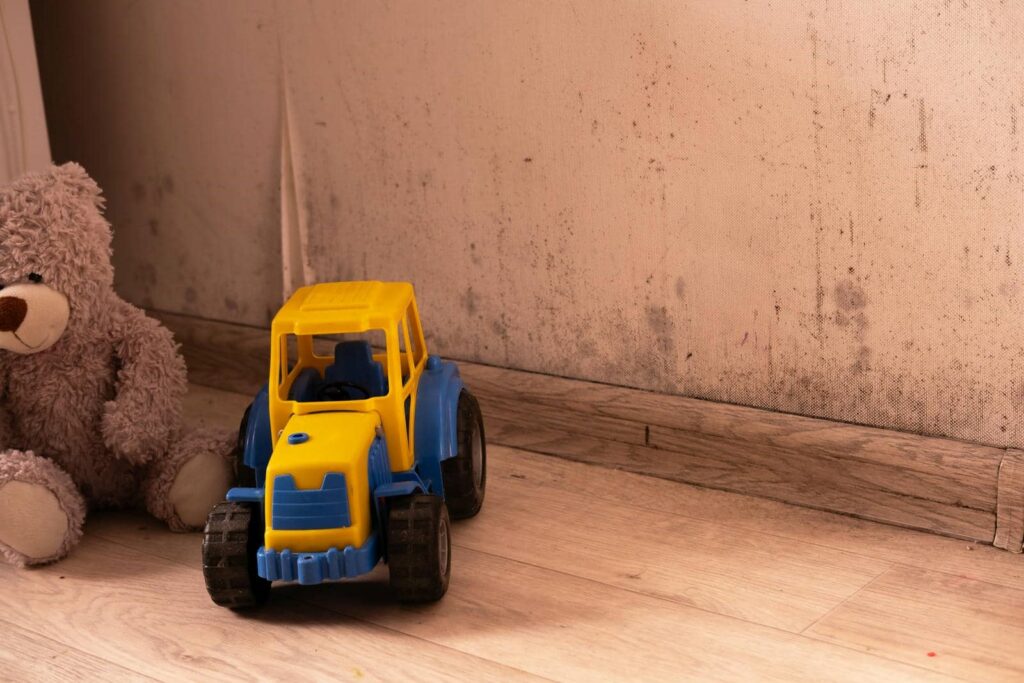
Visible Mold: If you see mold on surfaces, it may be more widespread than you realize.
Health Issues: If you or your family experience respiratory problems, allergies, or skin irritations, these could be linked to mold exposure.
Water Damage: If your home has experienced major water damage and DIY cleanup didn’t eliminate moisture, calling a professional is essential.
Addressing mold promptly protects your health and preserves your living space.
Don’t hesitate to reach out for help when needed.
Frequently Asked Questions
Can Mold Growth Occur in Hidden Areas After Water Damage?
Yes, hidden mold can develop in areas affected by water damage, like behind walls or under floors. It’s essential to thoroughly inspect and dry these spaces to prevent mold from taking hold and causing further issues.
How Quickly Can Mold Start Growing After Water Exposure?
Mold growth can start within 24 to 48 hours after water damage. You might think it takes longer, but conditions like warmth and humidity accelerate the process, making immediate action essential to prevent health risks.
Is All Mold Harmful to Health?
Not all mold is harmful to health. While toxic molds can cause serious issues, safe molds often exist in our environment without posing risks. Understanding the difference helps you create a healthier living space.
What Are the Signs of Mold Presence?
You might think mold’s invisible, but it often shows itself through musty odors, discoloration, or water stains. Use mold detection methods and visual inspection techniques to identify hidden growth before it becomes a bigger problem.
Can I Handle Mold Removal Myself?
You can handle mold removal yourself using DIY methods, but be cautious. Make certain you have adequate protective gear, and understand mold’s health risks. If the infestation is extensive, consider consulting professionals for safe and effective removal.
Conclusion
You might think that once the water’s gone, your worries are over. Ironically, that’s when the real battle begins. Without immediate action and ongoing vigilance, you could unknowingly invite mold into your home, jeopardizing your health and finances. By understanding the conditions that foster mold growth and implementing preventive measures, you can protect your living space and investment. Don’t let a little water turn into a big problem; stay proactive and keep mold at bay.