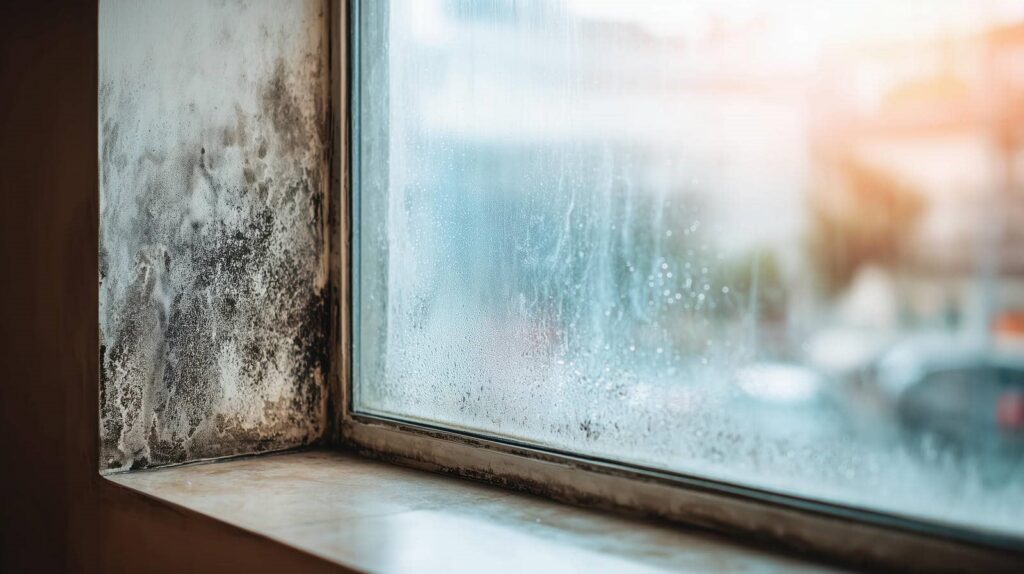
Many homeowners underestimate how quickly mold can begin to grow after water damage—often within 24 to 48 hours. To effectively address this threat, it’s essential to follow a series of strategic steps for water cleanup. From removing standing water to ensuring thorough drying, each action plays a significant role. But what specific measures should you take to prevent mold’s return and maintain a healthy environment? Understanding the process is key to safeguarding your space.
Key Takeaways
- Thoroughly dry all affected areas using fans and dehumidifiers to maintain humidity levels below 60%.
- Clean and disinfect surfaces with EPA-approved products to eliminate mold spores and prevent regrowth.
- Apply mold inhibitors and sealants on surfaces in moisture-prone areas to create a protective barrier.
- Conduct regular inspections for visible mold signs and musty odors to catch potential issues early.
- Ensure proper air circulation by opening windows, using fans, and checking HVAC systems to reduce moisture retention.
Assess the Extent of Water Damage
Before you can effectively address mold growth after a water incident, it’s essential to assess the extent of the water damage. Start by inspecting affected areas, including walls, floors, and ceilings.
Look for visible signs of moisture and note any discoloration, as these can indicate specific mold types. Use moisture meters to measure humidity levels, helping you determine how extensive the damage is.
Pay attention to hidden spaces, like behind appliances or under carpets, where water may linger. A thorough damage assessment will guide your next steps, ensuring you tackle potential mold growth efficiently.
Remove Standing Water Promptly
Act quickly to remove standing water, as it creates a breeding ground for mold.
Begin by using a reliable water extraction method, such as a wet/dry vacuum or a submersible pump, to eliminate excess water efficiently.
Don’t forget to conduct a thorough moisture assessment afterward; check all affected areas, including carpets, walls, and furniture, to ensure no hidden moisture remains.
Pay attention to corners and crevices where water may collect unnoticed.
If necessary, enlist professional help to ensure complete water removal and address any potential hidden issues.
By taking these immediate actions, you’ll greatly reduce the likelihood of mold growth and foster a healthier environment for everyone in your space.
Your prompt response truly makes a difference.
Dry Affected Areas Thoroughly
Once standing water has been removed, it’s crucial to dry affected areas thoroughly to prevent mold growth.
Start by using fans and dehumidifiers to eliminate moisture from surfaces. Focus on porous materials like carpets, drywall, and insulation, as they absorb water and can foster mold growth.
Remove any wet items, such as furniture or fabric, and dry them outside if possible. Don’t forget to check hidden areas like behind cabinets or under sinks, as water damage can linger there.
Keep an eye on humidity levels; ideally, they should stay below 60%.
Increase Air Circulation
To effectively combat mold growth after water cleanup, increasing air circulation is essential. Proper airflow techniques help to dry out damp areas and reduce humidity levels, creating an environment less conducive to mold.
Here are three effective strategies you can implement:
- Open Windows and Doors: Encourage natural ventilation by allowing fresh air to flow through your space.
- Utilize Fans: Position fans strategically to boost airflow, directing it towards wet surfaces to expedite drying.
- Inspect Ventilation Systems: Verify that your HVAC system is functioning correctly, as proper ventilation systems can greatly enhance air circulation throughout your home.
Use Dehumidifiers Effectively
To effectively use dehumidifiers, you need to maintain ideal humidity levels, ideally between 30% and 60%.
Place your dehumidifier in areas with the highest moisture accumulation, ensuring it’s away from walls and furniture for proper airflow.
Regularly monitor humidity levels to adjust settings as necessary and keep mold at bay.
Optimal Humidity Levels
While managing humidity levels is essential after water cleanup, using dehumidifiers effectively can markedly accelerate the drying process and prevent mold growth.
To achieve ideal humidity control, follow these steps:
- Set the Right Humidity Level: Aim for a humidity level between 30% and 60% for efficient moisture removal.
- Monitor Regularly: Use a hygrometer to keep track of humidity levels and adjust your dehumidifier settings as needed.
- Empty the Water Tank: Regularly check and empty the dehumidifier’s water tank to ensure it operates efficiently without interruption.
Proper Placement Techniques
Effective placement of dehumidifiers plays a critical role in maximizing their efficiency after water cleanup. To achieve ideal results, position your dehumidifier in the center of the affected area, ensuring it has at least a few feet of clearance from walls and furniture.
This allows for proper airflow and effective ventilation, enabling the unit to draw in moist air and expel dry air efficiently. If you’re dealing with multiple rooms, strategically place dehumidifiers in each space, focusing on areas with the highest humidity levels.
Regularly check and empty the water reservoir to maintain performance. By following these placement techniques, you’ll considerably reduce humidity levels, helping to prevent mold growth and create a healthier environment for everyone.
Inspect for Hidden Moisture
To effectively stop mold growth, you need to inspect for hidden moisture in your home.
Use moisture meters to accurately measure the dampness of various surfaces, and don’t forget to check behind walls, as trapped water can promote mold.
Identifying these hidden moisture sources is vital for a thorough cleanup process.
Use Moisture Meters
When tackling hidden moisture after water cleanup, using a moisture meter is essential for accurately evaluating the extent of dampness within walls, floors, and other surfaces.
These devices provide critical moisture meter benefits, helping you identify areas at risk for mold growth. Here’s how to effectively use them:
- Select the Right Meter: Choose a moisture meter suitable for your specific needs, whether pin-type or pinless.
- Conduct Readings: Take measurements in various locations, focusing on areas prone to moisture accumulation.
- Analyze Results: Compare the reading moisture levels to acceptable standards and identify areas needing further attention.
Check Behind Walls
Although mold can thrive in visible areas, it often lurks behind walls where moisture can remain undetected. To effectively combat this issue, you should inspect behind walls for hidden leaks and dampness.
Start by removing any wall coverings and checking the wall insulation for signs of water damage. Look for discoloration, a musty smell, or mold growth, as these are indicators of moisture problems. Use a moisture meter to gauge the humidity levels in the wall cavities.
If you find excess moisture, address the source of the leak immediately. Dry out the area thoroughly, and consider replacing damaged insulation to prevent future mold growth.
Clean and Disinfect Surfaces
Once you’ve completed the water cleanup process, it’s crucial to clean and disinfect all affected surfaces to prevent mold growth.
Utilizing effective mold prevention techniques can make a significant difference. Here’s how to do it:
- Choose the Right Disinfectant: Use EPA-approved surface disinfection methods that are effective against mold spores.
- Thoroughly Clean Surfaces: Scrub surfaces with a mixture of water and detergent to remove dirt and organic matter, which can promote mold growth.
- Allow to Dry Completely: Verify surfaces dry rapidly to inhibit any mold from re-establishing.
Check and Repair HVAC Systems
To effectively prevent mold growth after water cleanup, you must check and repair your HVAC systems, as they can harbor moisture and distribute mold spores throughout your home.
Start by ensuring your HVAC maintenance is up to date. Inspect ducts for any signs of moisture or dirt accumulation, as these create ideal conditions for mold.
Next, replace filters regularly; a clean filter improves air quality and reduces the chance of mold spores circulating.
If you notice any leaks or damage in the system, address these issues promptly to prevent further moisture intrusion.
Utilize Mold Inhibitors and Sealants
Utilizing mold inhibitors and sealants is essential for preventing mold growth in areas prone to moisture.
These chemical applications create a protective barrier that helps maintain a dry environment.
Here are three important steps to take into account:
- Select the Right Inhibitor: Choose a mold inhibitor specifically designed for your material type, whether it’s wood, drywall, or concrete.
- Apply Sealants Properly: Confirm surfaces are clean and dry before applying sealants. Use even strokes for consistent coverage.
- Follow Up: Regularly inspect treated areas to confirm the effectiveness of mold prevention methods.
Monitor for Signs of Mold Growth
To effectively monitor for signs of mold growth, conduct regular visual inspections of damp areas like basements and bathrooms.
Look for discoloration, fuzzy patches, or any unusual surfaces that could indicate mold presence.
Additionally, pay attention to musty odors, as they often signal hidden mold that needs immediate attention.
Visual Inspections Regularly
While you may think your space is mold-free after water cleanup, regular visual inspections are essential for catching early signs of mold growth.
Implementing effective visual inspection techniques can help protect your home and loved ones. Here are three key steps to follow:
- Check High-Risk Areas: Inspect areas prone to moisture, like bathrooms and basements, at least once a week.
- Examine Surfaces for Discoloration: Look for any unusual stains or spots on walls, ceilings, and floors that could indicate mold.
- Monitor HVAC Systems: Regularly inspect ducts and filters for dust accumulation and signs of moisture.
Following these inspection frequency guidelines will help you stay ahead of mold issues and maintain a healthy living environment.
Smell for Musty Odors
How can you tell if mold is lurking in your home? One of the most reliable indicators is a musty odor. This smell often emanates from musty odor sources like damp basements, water-damaged walls, or hidden leaks.
Regularly monitor areas prone to moisture, and trust your nose—if something smells off, investigate further.
To identify the specific source, use odor removal techniques such as activated charcoal or baking soda in affected areas.
If the smell persists, it’s essential to conduct a thorough inspection, as the presence of mold may not always be visible.
Frequently Asked Questions
How Long Does It Take for Mold to Grow After Water Damage?
Mold can start growing within 24 to 48 hours after water damage, depending on factors like moisture levels and temperature. To prevent it, act quickly and dry affected areas thoroughly to disrupt the mold growth timeline.
Can I Use Bleach to Kill Mold Effectively?
You can use bleach for mold removal, but its effectiveness is limited to non-porous surfaces. For porous materials, it’s better to use specialized mold cleaners. Always ensure proper ventilation and protective gear when applying bleach.
What Are the Health Risks Associated With Mold Exposure?
Mold exposure can lead to various health risks, including mold symptoms like coughing, sneezing, and respiratory issues. It’s essential to address mold promptly to protect your health and maintain a safe living environment.
How Can I Prevent Mold in My Basement?
To prevent mold in your basement, ensure proper basement ventilation and maintain moisture control. Install exhaust fans, dehumidifiers, and seal any leaks to create a dry environment where mold can’t thrive. Regularly monitor humidity levels, too.
Should I Hire a Professional for Mold Remediation?
If you spot mold creeping like shadows in your basement, hiring a professional for mold inspection and remediation services is wise. They’ll ensure thorough removal and prevent future outbreaks, safeguarding your home and peace of mind.
Review
To effectively halt mold growth after water cleanup, it’s essential to act quickly and methodically. By promptly removing standing water, thoroughly drying affected areas, and using proper cleaning techniques, you can greatly reduce the risk of mold re-establishment. Regular inspections and improved air circulation will help maintain a healthy environment, ensuring your space remains mold-free in the long run.