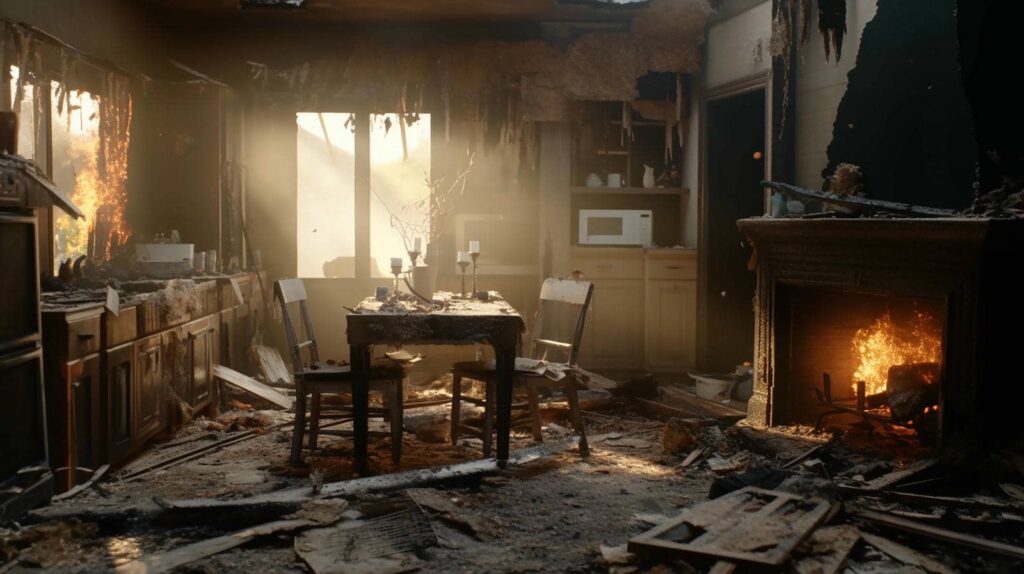
When faced with fire damage, it’s vital to approach the cleanup process methodically. Start by prioritizing safety and ensuring everyone is accounted for. Then, assess the damage thoroughly, as this will guide your next steps. Engaging with professionals early can make a significant difference. But before you do anything else, let’s explore the essential actions that can set you on the path to recovery.
Key Takeaways
- Prioritize safety by wearing protective gear and ensuring structural integrity before starting cleanup efforts.
- Document all damage with photographs and notes for insurance claims and thorough assessments.
- Engage professionals for fire restoration to handle hazardous materials and identify hidden damage effectively.
- Extract standing water and use dehumidifiers to reduce moisture levels and prevent mold growth.
- Implement preventive measures, such as installing smoke alarms and creating fire escape plans, to enhance future safety.
Assessing the Damage
When you face the aftermath of a fire, evaluating the damage is essential for effective cleanup and restoration.
Start your damage assessment by carefully inspecting both the interior and exterior of your property. Look for signs of structural integrity issues, such as cracks, warping, or compromised support beams. Document these findings with photographs and notes to help guide repairs and insurance claims.
Pay attention to hidden damage, like smoke residue or water damage from firefighting efforts, which can impact your home’s safety and health. Engage professionals if necessary, as their expertise can guarantee a thorough evaluation.
This methodical approach not only aids in recovery but also fosters a sense of community, as you navigate through this challenging time together with support from those around you.
Prioritizing Safety
Although the chaos following a fire can feel overwhelming, prioritizing safety must be your first step in the cleanup process. Before you begin, make sure everyone is safe and accounted for; this is your top priority.
Wear protective gear like masks, gloves, and goggles to shield yourself from hazardous debris and smoke. Check the structural integrity of your home—look for sagging ceilings or unstable walls.
It’s essential to avoid any electrical hazards, so turn off power to affected areas before entering. Familiarize yourself with fire safety protocols and keep a first-aid kit handy.
Being prepared for emergencies won’t only protect you but also give you peace of mind as you navigate the cleanup. Remember, safety first is a community value.
Contacting Professionals
As you assess the damage, contacting professionals should be a top priority to guarantee a thorough and safe cleanup.
Fire restoration isn’t just about removing debris; it requires specialized knowledge to handle hazardous materials and prevent further issues.
Professional services can identify hidden damage that you might overlook, ensuring a detailed approach to restoration. They possess the right tools and expertise to tackle smoke, soot, and water damage effectively.
By choosing qualified experts, you’re not only protecting your property but also your health.
Take the time to research and select experienced fire restoration professionals who understand the nuances of the cleanup process. Their assistance will provide you peace of mind and help restore your home to its former state.
Documenting the Incident
After contacting professionals, the next step is documenting the incident thoroughly.
This documentation will be essential for insurance claims and future reference. Accurate records help you establish the extent of the damage and support your claims.
Make sure to:
- Create detailed incident reports, including dates and times.
- Collect photographic evidence of the damage from multiple angles.
- Note any conversations with professionals for clarity.
- Keep receipts for any immediate expenses related to the incident.
Removing Debris
Before you start removing debris, prioritize safety by wearing protective gear, like gloves and masks.
Once you’re safe, sort through the materials to identify what can be salvaged and what needs to be disposed of.
Use proper disposal methods to guarantee that hazardous waste is handled appropriately and your environment remains safe.
Safety Precautions First
When you approach the intimidating task of removing debris after a fire, prioritizing safety is essential.
Start by guaranteeing you’re equipped for the job with the right personal protective gear. This not only protects you but also helps maintain fire safety standards.
Here are some key precautions to follow:
- Wear heavy-duty gloves to shield your hands from sharp objects.
- Use a mask to avoid inhaling smoke particles and dust.
- Don sturdy boots to protect your feet from falling debris.
- Ensure you have goggles to safeguard your eyes from flying materials.
Sorting Salvageable Materials
As you begin the process of sorting salvageable materials from the debris, it’s crucial to approach the task methodically.
Start by conducting a thorough material assessment, identifying which items can be cleaned and restored. Look for personal belongings, furniture, and appliances that survived the fire with minimal damage.
Be sure to separate these salvageable items from those beyond repair, as this will streamline your cleanup process. Use gloves and protective gear to guarantee safety while handling debris.
Document what you find, as this can help with insurance claims and emotional recovery.
Proper Disposal Methods
Proper disposal of debris is essential in the aftermath of a fire to guarantee a safe and efficient cleanup process.
You must be methodical in your approach, especially when dealing with hazardous materials.
Here are key steps to follow:
Identify and separate hazardous materials, like chemicals and electronics.
Explore recycling options for materials such as metal, glass, and certain plastics.
Use designated disposal sites for hazardous waste, ensuring compliance with local regulations.
Document your disposal process for insurance purposes and peace of mind.
Cleaning Smoke and Soot
To effectively tackle smoke and soot cleanup after a fire, you need to act swiftly, as these residues can permeate surfaces and become more difficult to remove over time.
Start by identifying the areas affected and using appropriate smoke removal techniques. Begin with dry methods, like vacuuming surfaces with a HEPA filter, to lift loose soot particles.
Then, apply soot cleaning products specifically designed for smoke damage; these will break down stubborn residues. For walls and ceilings, use a sponge and a mixture of warm water and a few drops of dish soap.
Remember to work from the top down to avoid streaking. By following these steps, you’ll restore your space and regain a sense of comfort and belonging.
Addressing Water Damage
After a fire, addressing water damage is essential for preventing further issues.
Start by identifying the sources of water, whether from firefighting efforts or leaks.
Once you’ve located the sources, remove any standing water and thoroughly dry the affected areas to mitigate mold growth and structural damage.
Identify Water Sources
While evaluating fire damage, it’s vital to identify any water sources that may exacerbate the situation.
Water can lead to further structural damage and mold growth, so a thorough moisture assessment is imperative.
Start by checking for potential water sources:
- Leaking pipes: Inspect visible plumbing for any leaks.
- Saturated materials: Look at carpets, furniture, and drywall for dampness.
- Roof damage: Examine the roof for holes or compromised areas.
- Appliance issues: Check appliances like refrigerators or washers for leaks.
Addressing these water sources early on helps prevent additional damage and promotes a safer environment.
Remove Standing Water
Remove standing water immediately to prevent further damage and initiate the recovery process. Standing water can lead to mold growth and structural issues, so it’s essential to act fast.
Use effective water extraction techniques, such as pumps or wet vacuums, to remove the water efficiently. Start in the most affected areas and work your way out, ensuring you don’t leave pockets of moisture behind.
If the water is substantial, consider enlisting professional help for thorough standing water removal. Remember, every minute counts in mitigating damage, so stay focused and methodical in your approach.
This proactive step not only protects your property but also fosters a sense of belonging and security within your community as you restore your space.
Dry Affected Areas
Once you’ve extracted the standing water, it’s crucial to dry the affected areas promptly to prevent further damage.
Using effective drying techniques will help guarantee your space returns to its original state. Start by measuring the moisture levels to identify the most affected spots.
- Use fans to increase air circulation.
- Employ dehumidifiers to remove excess moisture.
- Open windows for natural ventilation, if weather allows.
- Check for hidden pockets of water in walls or floors.
Securing the Property
As you begin the process of restoring your property after a fire, securing the premises is essential to prevent further damage and assure safety.
Start by evaluating the property boundaries to identify vulnerable areas. Install temporary barriers, like fencing or tarps, to deter unauthorized access and protect against weather elements. Confirm that windows and doors are boarded up to prevent additional exposure and hazards.
If structural damage is evident, consult professionals to assess safety risks. Keep in mind that your safety and that of first responders should always come first.
Restoring Personal Belongings
After securing your property, the next step involves restoring your personal belongings, which can be an emotional yet essential part of the recovery process.
Begin with a sentimental value assessment to prioritize items worth restoring. Focus on these key areas:
Identify salvageable items****: Look for belongings that are structurally sound and can be cleaned.
Consult professionals: For items like artwork or antiques, seek specialized personal item restoration services.
Document everything: Take photos and make lists of damaged items for insurance claims.
Consider alternatives: For severely damaged items, think about whether a replacement or a creative repurposing might be more beneficial.
Preventing Future Fires
While the aftermath of a fire can be overwhelming, taking proactive steps to prevent future incidents is essential for your peace of mind and safety.
Begin by prioritizing fire safety in your home. Install smoke alarms on every level and near sleeping areas, testing them monthly and replacing batteries at least once a year.
Create and rehearse a fire escape plan with your family, ensuring everyone knows their exits and assembly points. Keep flammable materials away from heat sources, and never leave cooking unattended.
Regularly inspect electrical systems and appliances for wear and tear.
Frequently Asked Questions
How Long Does Fire Damage Cleanup Typically Take?
Fire damage cleanup typically takes several days to weeks, depending on the extent of damage. You’ll navigate a fire restoration timeline through inspection, debris removal, and repairs, ensuring a thorough and effective cleanup process duration.
What Insurance Coverage Is Needed for Fire Damage?
You’ll need extensive fire insurance that covers both damage and loss of personal property. Explore coverage options like replacement cost and additional living expenses to guarantee you’re fully protected against potential fire-related losses.
Can I Do the Cleanup Myself?
Yes, you can handle the DIY cleanup, but prioritize fire safety. Assess the damage thoroughly, wear protective gear, and use proper techniques. If it feels overwhelming, consider enlisting professional help for peace of mind.
What Items Are Salvageable After a Fire?
You can often salvage items like metal furniture, ceramics, and certain textiles. During the restoration process, assess each piece carefully, as some may just need cleaning while others might require professional restoration to restore their integrity.
How Can I Prevent Smoke Odors From Returning?
To prevent smoke odors from returning, use odor neutralization techniques like baking soda and vinegar, alongside air purification methods such as HEPA filters. Regularly ventilate your space to keep the air fresh and inviting.
Recap
In the aftermath of a fire, every step you take counts toward recovery. By prioritizing safety, documenting the damage, and working with professionals, you’re not just cleaning up; you’re reclaiming your space and peace of mind. Have you considered how restoring your personal belongings can aid in your emotional healing? Remember, thorough cleanup and prevention measures can safeguard against future incidents, ensuring your home remains a safe haven for years to come.