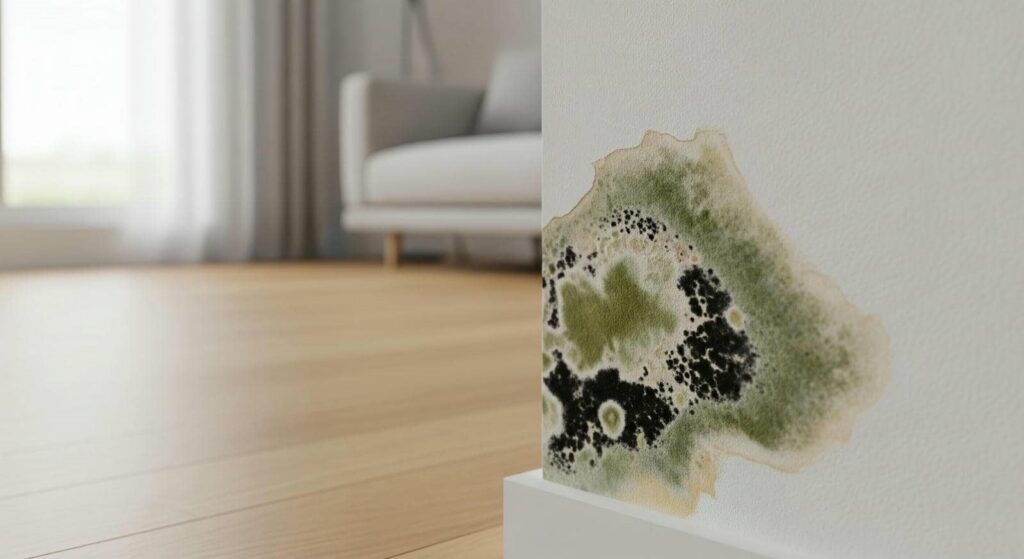
Water is both a life source and a catalyst for decay, especially when it lingers in your home. To effectively combat mold after a water cleanup, you must assess and eliminate excess moisture before it becomes a breeding ground for harmful spores. Your approach to drying out affected areas, managing humidity, and incorporating mold-resistant products will play an essential role in safeguarding your space. What steps will you take to ensure a mold-free environment?
Key Takeaways
- Thoroughly dry out affected areas using fans and dehumidifiers to maintain humidity levels below 60%.
- Regularly ventilate spaces by opening windows and utilizing air circulation to prevent moisture buildup.
- Apply mold-resistant products, such as paints and treatments, in high-moisture areas like bathrooms and kitchens.
- Monitor humidity levels consistently with a hygrometer, aiming for a range between 30% and 60%.
- Conduct regular inspections for moisture signs, focusing on basements, bathrooms, and under sinks to catch issues early.
Assess and Remove Excess Moisture
After water cleanup, it’s essential to assess and remove any excess moisture to prevent mold from taking hold.
Start by identifying potential moisture sources, like hidden leaks or damp materials, which can exacerbate water damage. Use a moisture meter to accurately gauge levels in walls, floors, and furnishings. If readings are high, it’s vital to take immediate action.
You might need to remove wet carpets or drywall to ensure thorough drying. Regularly ventilate the affected areas to promote air circulation, which helps evaporate lingering moisture.
By diligently tackling these moisture sources, you greatly reduce the risk of mold growth, fostering a healthier environment for you and your loved ones.
Dry Out Affected Areas Thoroughly
Once you’ve assessed and removed excess moisture, the next step is to dry out the affected areas thoroughly.
Start by employing effective ventilation strategies; open windows and doors to enhance air circulation. If possible, use fans to promote airflow, especially in confined spaces.
Additionally, consider dehumidifier use to extract lingering moisture from the air. By maintaining a lower humidity level, you greatly reduce the potential for mold growth.
Monitor the drying process, aiming for a moisture level below 60% relative humidity. Regularly check surfaces for signs of dampness, and don’t hesitate to adjust your strategies if needed.
Taking these steps will create an environment less conducive to mold, fostering a healthier space for you and your loved ones.
Use Mold-Resistant Products
Using mold-resistant products can considerably enhance your efforts in preventing mold growth in areas prone to moisture. Incorporating mold-resistant paints in your home protects surfaces and provides a barrier against mold spores. These specially formulated paints contain ingredients that inhibit mold development, making them ideal for bathrooms, kitchens, and basements.
Additionally, applying anti-fungal treatments to porous materials, like drywall and wood, can further safeguard your space. These treatments penetrate the material and prevent mold from taking hold, ensuring long-lasting protection.
Monitor Humidity Levels
Maintaining ideal humidity levels is essential in preventing mold growth, especially in areas that have undergone water cleanup. You should aim for humidity levels between 30% and 60%.
To achieve effective humidity control, consider using a hygrometer to monitor these levels regularly. Identify and eliminate moisture sources such as leaks, damp basements, or poorly ventilated areas, as they can increase humidity and contribute to mold proliferation.
If humidity levels exceed the ideal range, employ dehumidifiers or increase ventilation to help manage moisture. Remember, consistent monitoring and prompt action can greatly reduce the risk of mold development.
Conduct Regular Inspections
While it may be easy to overlook, conducting regular inspections of your home is essential for preventing mold growth after water cleanup. By routinely checking for signs of moisture and water damage, you can catch potential issues before they escalate.
Focus on areas prone to dampness, like basements, bathrooms, and under sinks. Look for discoloration, musty odors, or peeling paint, which can indicate hidden mold problems.
Regular inspections safeguard your home and contribute to effective property maintenance, ensuring your living environment remains healthy. Establish a schedule for these checks—monthly or quarterly—and stay diligent.
This proactive approach fosters a sense of community responsibility and belonging, as you take charge of your space and protect those who share it with you.
Frequently Asked Questions
How Long Does It Take for Mold to Start Growing After Water Damage?
Mold can start growing within 24 to 48 hours after water damage, depending on factors like humidity and temperature. Understanding this mold growth timeline helps you act quickly to prevent further issues.
Can I Use Bleach to Kill Mold After Cleanup?
You can use bleach to kill mold, but its effectiveness varies. While it can eliminate surface mold, it doesn’t address mold toxicity or root problems, potentially allowing regrowth. Consider other methods for thorough mold removal.
What Are the Signs of Hidden Mold Growth?
You’ll notice hidden mold growth through musty odors, visible discoloration on walls, and persistent mold symptoms like coughing or sneezing. Check damp areas regularly to catch it early and maintain a healthy environment.
Should I Hire a Professional or Can I Handle Mold Removal Myself?
You can handle DIY mold removal if it’s minor, but for extensive issues, hiring professional services is safer. They have the expertise and equipment to ensure thorough remediation, protecting your home and health effectively.
How Can I Prevent Mold Growth in My Home Long-Term?
To prevent mold growth long-term, focus on humidity control and ventilation improvements. Keep humidity below 60%, use exhaust fans, and ensure proper air circulation in your home to create a healthier living environment.
Summary
To effectively stop mold after water cleanup, it’s essential to stay proactive. By evaluating and removing excess moisture, thoroughly drying affected areas, using mold-resistant products, monitoring humidity levels, and conducting regular inspections, you can greatly reduce the risk of mold. Staying vigilant protects your property and promotes a healthier living environment for you and your family.