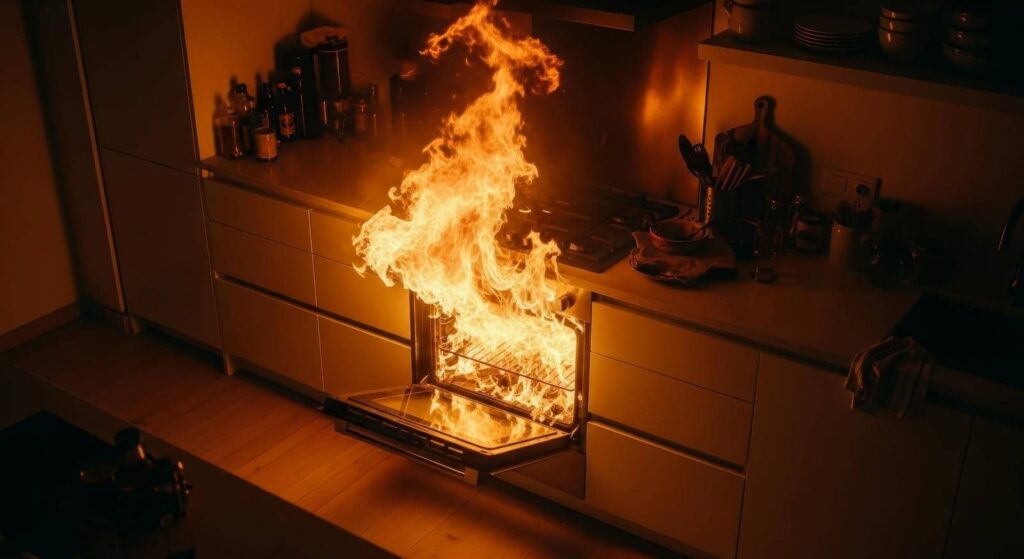
When dealing with fire damage, it’s essential to approach cleanup with a clear strategy. Start by evaluating the extent of the damage, documenting everything for insurance purposes. Confirm your safety before entering the space, as structural integrity may be compromised. Once you’re prepared, you can begin removing debris and salvaging important items. Understanding the specific techniques for smoke removal and addressing water damage will be critical in restoring your home effectively. What comes next may surprise you.
Key Takeaways
- Document all damage thoroughly with photographs and notes to support insurance claims and future assessments.
- Assess structural integrity and wear protective gear before entering the affected areas for safety.
- Prioritize the removal of debris and salvage essential items, distinguishing between salvageable and non-salvageable belongings.
- Address smoke and water damage by using appropriate cleaning methods and controlling moisture to prevent mold growth.
- Engage licensed professionals for repairs and consider implementing fire-resistant materials and safety measures for future prevention.
Assessing the Damage
Evaluating the damage after a fire is essential for effective cleanup and restoration. Start your damage evaluation by documenting all affected areas, including structural elements, personal belongings, and any hazardous materials.
Take clear photographs and make detailed notes, as this documentation will be vital for your insurance claims. Identify the extent of smoke and soot damage, which can linger and cause health issues if not addressed.
Check for water damage from firefighting efforts, as this can lead to mold growth. Create an extensive list of damaged items and their estimated value to streamline the claims process.
Ensuring Safety Before Cleanup
Before you begin cleanup, assess the structural integrity of the building to ensure it’s safe to enter.
Always wear appropriate protective gear to shield yourself from hazardous materials.
Additionally, ventilate affected areas to reduce smoke and toxic fumes, creating a safer environment for cleanup.
Assess Structural Integrity
Evaluating structural integrity is vital for ensuring safety during fire damage cleanup.
Start with a thorough structural assessment of your home. Look for visible signs of damage, such as cracks in walls, sagging ceilings, or compromised support beams. These indicators can signal a serious risk to the building’s stability.
If you’re unsure, consult a professional who specializes in integrity evaluation; they can provide critical insights into the extent of the damage. Remember, even seemingly minor issues can escalate, leading to hazardous conditions.
Prioritizing this assessment keeps you safe and fosters a sense of community as you share knowledge with neighbors facing similar challenges.
Take these steps to ensure a secure environment before diving into cleanup efforts.
Wear Protective Gear
As you prepare for fire damage cleanup, wearing appropriate protective gear is essential to safeguard your health.
The hazards present in fire-damaged areas, like soot and toxic chemicals, can pose serious risks. To ensure your safety, invest in the following protective clothing and safety equipment:
Respirator Mask: Protects your lungs from inhaling harmful particles.
Gloves: Shield your hands from sharp debris and hazardous substances.
Coveralls: Keep your skin safe from soot and other irritants.
Ventilate Affected Areas
Once you’ve donned your protective gear, the next step is to ventilate the affected areas to secure a safer environment for cleanup.
Effective ventilation techniques are essential in removing harmful smoke and soot particles from the air. Start by opening windows and doors to promote air circulation, allowing fresh air to flow in and push contaminated air out.
Use fans strategically to enhance this process, directing airflow toward open exits. If available, employ exhaust fans to expedite air removal.
Confirm you monitor air quality continuously; don’t rush the process. Proper ventilation reduces health risks and aids in the overall effectiveness of your cleanup.
Prioritizing these steps creates a safer space for you and your loved ones.
Removing Debris and Salvaging Items
After a fire, the first step in restoring your space is effectively removing debris and salvaging items.
Begin by conducting debris classification to identify what can be salvaged versus what needs disposal. This helps you prioritize your efforts and resources.
Follow these steps for efficient cleanup:
Assess Damage: Identify structural hazards and categorize debris into salvageable and non-salvageable items.
Prioritize Items: Focus on salvaging essential belongings that hold sentimental value or are critical to your daily life.
Remove Debris: Carefully clear out non-salvageable items, ensuring safety by wearing protective gear.
This systematic approach brings order and helps in reclaiming what matters most, fostering a sense of belonging in your restored space.
Smoke and Soot Removal Techniques
To effectively address smoke damage, you’ll first need to assess the extent of the contamination on surfaces and materials.
Once you understand the damage, you can implement specific soot removal methods tailored to each surface type.
Additionally, taking steps to prevent lingering odors will ensure a thorough restoration of your space.
Assessing Smoke Damage
As you begin evaluating smoke damage, it’s crucial to understand that smoke and soot can infiltrate various surfaces and materials, complicating the cleanup process.
Accurate assessment is key to effective remediation. Here are three steps to guide you:
Inspect Surfaces: Check walls, ceilings, and furniture for discoloration or odor, as these indicate smoke penetration.
Evaluate Air Quality: Use smoke detection devices and air filtration systems to gauge air quality. Poor air quality can exacerbate health issues.
Document Damage: Take photos and notes on affected areas to assist with insurance claims and professional evaluations.
Soot Removal Methods
Effective soot removal is essential for restoring surfaces affected by fire damage. Start by using a dry sponge or a vacuum with a HEPA filter to gently lift and remove soot without smearing it.
Next, select appropriate cleaning products specifically designed for soot removal. Look for non-toxic, biodegradable options that can effectively break down soot residues.
For walls and ceilings, use a mixture of warm water and mild detergent, applying it with a soft cloth in a circular motion. Rinse thoroughly to avoid residue buildup.
Don’t forget to treat upholstery and carpets with specialized cleaners or hire professionals for deep cleaning. Following these techniques will help you efficiently tackle soot and restore your home’s environment.
Preventing Lingering Odors
While removing soot is essential, preventing lingering odors from smoke requires a thorough approach to cleanup and restoration.
To effectively eliminate these odors, consider the following techniques:
Odor Absorption Techniques: Utilize natural absorbers like activated charcoal or baking soda. Place them in affected areas to draw out persistent smells.
Deep Cleaning: Thoroughly clean all surfaces, including walls, ceilings, and carpets. Use specialized cleaning solutions to ensure that odor particles are removed.
Scent Masking Solutions: Use air purifiers or essential oil diffusers to introduce pleasant scents while the odor absorption process takes place.
Addressing Water Damage From Firefighting Efforts
When firefighters tackle a blaze, the water used in their efforts can lead to significant secondary damage, complicating the cleanup process.
To mitigate this, you need to prioritize water extraction immediately. Use a powerful pump or wet vac to remove standing water, preventing further deterioration of your property.
Once you’ve extracted the water, focus on moisture control. Set up dehumidifiers and fans to promote airflow and reduce humidity levels.
Inspect hidden areas like walls and flooring, as trapped moisture can foster mold growth. Regularly check for damp spots and use moisture meters to monitor progress.
Deodorizing and Restoring Indoor Air Quality
To effectively deodorize and restore indoor air quality after fire damage, you must address the lingering odors and harmful particles that can affect your health.
Implement these air purification methods and odor neutralization techniques to create a safe environment:
Ventilation: Open windows and use fans to circulate fresh air, helping to disperse smoke, odors, and contaminants.
Air Purifiers: Invest in HEPA air purifiers that capture fine particles and reduce volatile organic compounds (VOCs) in the air.
Odor Neutralizers: Use activated charcoal or ozone generators to neutralize persistent odors effectively.
Repairing and Rebuilding After Cleanup
After you’ve completed the cleanup process, it’s crucial to assess the extent of the fire damage to determine the necessary repairs and rebuilding steps.
Start by identifying structural issues and prioritizing them in your rebuilding strategies. Inspect walls, ceilings, and floors for integrity and signs of smoke damage.
Choose appropriate repair materials like fire-resistant drywall, insulation, and flooring that meet safety standards. You’ll want to coordinate with professionals when needed, especially for electrical and plumbing repairs.
As you rebuild, consider incorporating fire-resistant features into your home, enhancing safety for the future.
Frequently Asked Questions
What Personal Protective Equipment Should I Wear During Cleanup?
During cleanup, you should wear a respirator, safety goggles, gloves, and durable clothing to ensure fire safety. Using proper cleanup equipment protects you from harmful particles and residual chemicals, keeping you safe throughout the process.
How Do I Prevent Mold Growth After Fire Damage?
To prevent mold growth after fire damage, implement mold prevention methods by controlling moisture levels. Use dehumidifiers, ensure proper ventilation, and promptly dry out affected areas to inhibit mold development and maintain a healthy environment.
When Should I Contact a Professional Restoration Service?
You should contact a professional restoration service immediately after a fire. They’ll conduct a thorough fire damage assessment, ensuring timely action that aligns with the restoration timeline, preventing further damage and ensuring your home’s safety.
Can I File an Insurance Claim for Fire Damage?
When disaster strikes, you can file a fire insurance claim. Start the claim process promptly, documenting damages and contacting your insurer. You’ll want to ensure you’re fully covered and supported during recovery.
What Are Common Mistakes to Avoid During Fire Cleanup?
Avoid rushing the cleanup process, neglecting fire safety protocols, and overlooking hidden damage. Stick to a cleanup timeline to ensure thoroughness, and always consult professionals when needed to prevent further complications and enhance your recovery.
Review
In the aftermath of fire damage, think of your home as a phoenix rising from the ashes. By meticulously evaluating the damage and prioritizing safety, you’re laying the groundwork for restoration. Each step—from debris removal to air purification—symbolizes renewal and resilience. As you repair and rebuild, remember that every effort contributes to a stronger, more vibrant space. Embrace the journey, for in turning devastation into recovery, you cultivate not just a home, but a sanctuary.