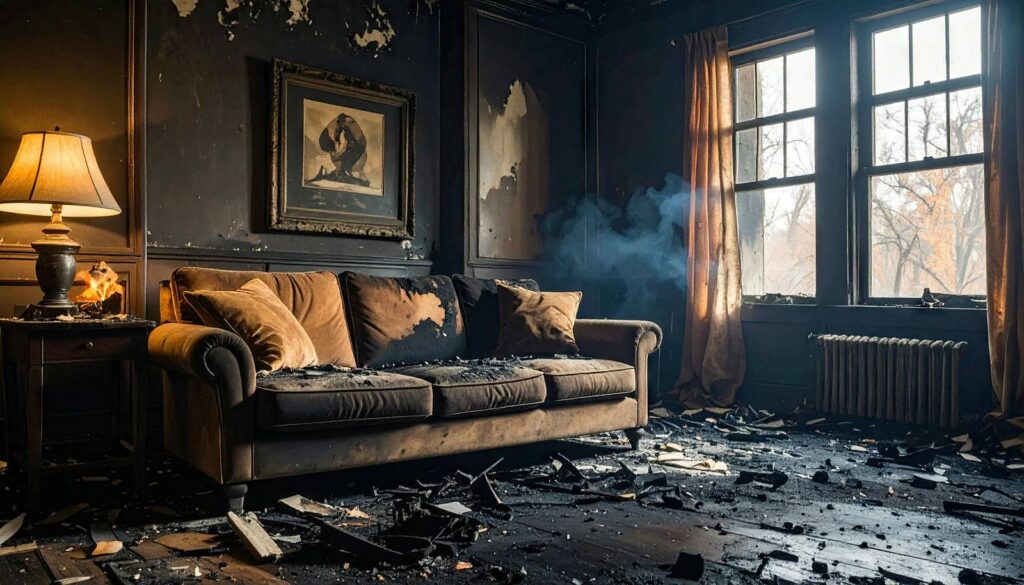
After a fire, effective soot cleanup is vital for restoring your space. You’ll need to assess the damage first, documenting affected areas for reference. Gathering the right supplies is essential, as is protecting yourself with appropriate gear. Once you’ve ventilated the area to reduce smoke odors, you can begin the meticulous process of removing soot. Understanding specialized techniques for various surfaces will make a significant difference in your cleanup efforts. What comes next may surprise you.
Key Takeaways
- Assess the damage thoroughly, focusing on areas affected by heat and smoke, and prioritize cleaning efforts accordingly.
- Gather high-quality cleaning supplies, including soot brushes, HEPA vacuums, and specialized cleaning solutions for effective soot removal.
- Ventilate the area by opening windows and using fans to improve air circulation and reduce smoke odors during cleanup.
- Utilize proper soot removal techniques, starting with dry methods and progressing to wet cleaning solutions for stubborn residues.
- Consider enlisting professional help for extensive damage or lingering odors to ensure thorough and safe cleanup.
Assessing the Damage
After a fire, evaluating the damage is essential for effective soot cleanup.
Begin your damage assessment by identifying areas affected by heat and smoke. Inspect walls, ceilings, and floors for soot deposits and structural integrity. Look for signs of warping, cracking, or discoloration, which may indicate compromised materials.
Document your findings, noting the extent of damage and prioritizing areas requiring immediate attention. Use a systematic approach to determine if professional help is needed, especially for load-bearing structures.
Don’t overlook hidden spaces; check behind appliances and within walls, as soot can settle in hard-to-reach areas.
Understanding the full scope of damage will guide your cleanup efforts, ensuring you restore your home safely and effectively while fostering a sense of community support.
Gather Necessary Supplies
Before you start the cleanup, gather essential cleaning tools such as sponges, buckets, and a vacuum with a HEPA filter.
You’ll also need protective gear, including gloves, masks, and goggles, to guarantee your safety during the process.
Having these supplies ready will streamline your efforts and help you effectively tackle soot removal.
Essential Cleaning Tools
To effectively tackle soot cleanup after a fire, you’ll need to gather a specific set of cleaning tools and supplies.
Start with high-quality soot brushes, designed to lift and remove soot particles without damaging surfaces. Combine these with sturdy sponges and microfiber cloths for thorough cleaning.
You’ll also want specialized cleaning supplies, such as heavy-duty degreasers or soot cleaners, which break down stubborn residue.
Don’t forget a vacuum with a HEPA filter; it’ll help capture fine soot particles that can linger in the air.
Finally, stock up on buckets for water and cleaning solutions. Having these essential tools on hand will streamline your cleanup process and guarantee you can restore your space effectively.
Protective Gear Needed
When tackling soot cleanup, don’t overlook the importance of protective gear. Start with a high-quality respirator to shield yourself from harmful particles and toxins associated with fire-related hazards.
Safety goggles are essential to protect your eyes from soot and debris. Wear gloves made from chemical-resistant materials to avoid skin contact with irritants. A durable, long-sleeved shirt and pants will keep your skin safe while also preventing inhalation of dust.
Finally, sturdy boots can protect your feet from sharp objects and debris on the ground. Prioritizing personal safety not only guarantees your well-being but also empowers you to handle the cleanup process effectively.
Protect Yourself With Proper Gear
When cleaning up soot after a fire, it’s vital to protect yourself with the right gear.
Start by assembling essential protective equipment, including masks, gloves, and goggles, to shield against hazardous particles.
Additionally, guarantee your clothing choices are suitable, opting for durable, long-sleeved garments that can withstand exposure to soot and chemicals.
Essential Protective Equipment
Before you immerse yourself in the soot cleanup process, it’s vital to equip yourself with the right protective gear to safeguard your health.
Proper safety precautions are imperative, and maintaining your gear is just as important. Here’s a list of vital protective equipment you’ll need:
- N95 Respirator: Protects against inhaling soot particles.
- Safety Goggles: Shields your eyes from irritants.
- Heavy-Duty Gloves: Prevents skin contact with toxic residues.
- Coveralls or Tyvek Suit: Keeps your clothing and skin protected.
- Sturdy Boots: Offers foot protection from sharp debris.
Ensure that your gear is in good condition and regularly maintained.
This way, you’ll not only enhance your safety but also feel a sense of community and preparedness while tackling the cleanup.
Safety Gear Checklist
A thorough safety gear checklist is vital for anyone beginning soot cleanup after a fire. Start with respiratory protection, such as a NIOSH-approved mask or respirator, to filter harmful particles.
Next, make sure you have safety goggles to shield your eyes from irritants. Heavy-duty gloves, preferably rubber or nitrile, will protect your hands during the cleanup process.
Consider using a hard hat if there’s a risk of falling debris. Additionally, sturdy boots with slip-resistant soles are essential for safe footing in unstable environments.
Don’t forget to include ear protection if noise levels are high. Following these safety gear types and implementing these cleanup precautions will help guarantee your protection while effectively addressing the aftermath of a fire.
Proper Clothing Choices
Alongside proper safety gear, selecting the right clothing is essential for protecting yourself during soot cleanup after a fire.
Focus on clothing materials that are durable and can withstand contaminants. Utilize effective layering techniques to guarantee both comfort and safety.
Consider the following items for your cleanup:
- Long-sleeved shirts: Protects your skin from soot and debris.
- Sturdy pants: Choose thick, durable fabrics to shield against sharp objects.
- Waterproof gloves: Keeps your hands safe from chemicals and soot.
- Dust mask: Filters out harmful particles while you work.
- Closed-toe boots: Protects your feet from falling debris and sharp edges.
Ventilate the Area
As you begin the soot cleanup process, it’s crucial to ventilate the area to minimize smoke damage and improve air quality.
Start by opening all windows and doors to facilitate air circulation, allowing fresh air to flow in while pushing out contaminated air. Use fans strategically to enhance smoke dispersal; place them near openings but confirm they’re not blowing soot back into the room.
If possible, create cross-ventilation by positioning fans across from each other. This method effectively reduces airborne particles and helps prevent further odors from settling into surfaces.
Remember, a well-ventilated space not only aids in cleanup but also helps you feel more comfortable and connected during this challenging time.
Prioritize safety and health as you restore your environment.
Begin With Dry Soot Removal
Before tackling the more stubborn residues, you should start with dry soot removal, which effectively minimizes the risk of smearing soot further into surfaces.
This initial step is essential in the cleanup process.
Use the right tools to guarantee effective dry cleaning:
- Soot brushes: These special brushes are designed to lift soot particles without scratching surfaces.
- Dry cleaning sponges: These sponges absorb soot and leave surfaces clean.
- Vacuum with a HEPA filter: This helps capture fine soot particles.
- Soft cloths: Use lint-free cloths for delicate areas.
- Protective gear: Always wear masks and gloves to safeguard your health.
Utilize Cleaning Solutions for Wet Soot
Once you’ve addressed the dry soot, it’s time to tackle the wet soot that may linger on various surfaces.
For effective soot removal, select appropriate cleaning products designed for wet soot. Start by mixing a solution of water and a specialized soot cleaner; these products often contain surfactants that break down soot particles.
Apply the solution using a sponge or cloth, working in small sections to avoid spreading the soot further. Gently blot the area instead of scrubbing, as scrubbing can embed the soot deeper. Rinse your cleaning tool frequently to guarantee you’re not redistributing the soot.
After cleaning, thoroughly dry the area to prevent mold growth. Following these steps will help restore your space and guarantee a cleaner environment.
Focus on Different Surface Types
Different surfaces in your home require tailored approaches for effective soot removal after a fire. Each material reacts differently, so understanding the best methods is essential.
Wood surfaces: Use a soft cloth with a gentle cleaner to avoid scratches.
Fabric upholstery: Vacuum first, then apply a fabric-safe cleaner to lift soot.
Metal fixtures: Wipe down with a damp cloth and mild detergent to prevent corrosion.
Painted walls: Clean with a sponge and warm, soapy water; touch up paint as needed.
Concrete floors: Scrub with a stiff brush and a concrete cleaner for deep cleaning.
Don’t forget to check electronic devices, kitchen appliances, glass surfaces, outdoor structures, and decorative items for soot residue, using appropriate methods for each.
Address Odor Removal
While soot removal is essential, tackling the lingering odors that accompany smoke damage is equally important.
Start with odor neutralization techniques, such as using baking soda or activated charcoal to absorb smells. Spread these substances across affected areas and leave them for several hours before vacuuming.
Next, consider deodorizing products specifically designed for smoke odors; look for enzyme-based cleaners that break down odor molecules. You can also use fogging machines to disperse deodorizing agents throughout the space, ensuring even coverage.
Don’t forget to ventilate the area well by opening windows and using fans to help dissipate odors.
Consult Professionals When Needed
When dealing with soot cleanup after a fire, it’s imperative to recognize when professional assistance is necessary. While you might feel equipped to handle minor tasks, fire restoration often requires expertise that only professional services can provide.
Consider consulting experts if:
- The damage is extensive or structural.
- Soot has penetrated walls and ceilings.
- There are lingering odors or health concerns.
- You lack specialized equipment for effective cleanup.
- You’re unsure how to safely dispose of hazardous materials.
These professionals are trained to guarantee thorough cleanup and restoration, safeguarding your health and property.
Frequently Asked Questions
How Long Does Soot Cleanup Typically Take?
Soot cleanup typically takes several hours to days, depending on factors like the fire’s intensity, the materials affected, and your cleanup methods. Understanding the soot removal timeline helps you manage expectations during this challenging process.
Can I Clean Soot Without Professional Help?
Absolutely, you can clean soot without professional help! Gather appropriate cleaning supplies and use safe methods like vacuuming and damp cloths. Just make certain you follow proper techniques to avoid further damage and guarantee thorough cleaning.
Is It Safe to Use a Vacuum for Soot?
Using a vacuum for soot removal isn’t recommended due to vacuum safety concerns. Instead, consider specialized soot removal methods, like dry cleaning sponges, to avoid spreading particles and damaging your vacuum or surfaces.
What Should I Do if Soot Gets on My Clothing?
Soot can cling to fabrics, affecting up to 80% of your clothing’s surface. Use specialized soot removal techniques, like gentle brushing and fabric treatment solutions, to restore your garments effectively and preserve their integrity.
Will Homeowners Insurance Cover Soot Cleanup Costs?
Yes, homeowners insurance often covers soot cleanup costs, but it depends on your specific insurance policies and coverage limits. Always review your policy and consult your agent for clarity on what’s included.
To Sum Up
In the aftermath of a fire, tackling soot cleanup is like maneuvering through a labyrinth; each corner demands your attention and precision. By methodically evaluating damage, gathering the right supplies, and employing tailored cleaning techniques, you can restore your space to its former glory. Remember, though, that some battles are best fought with expert allies. Don’t hesitate to call in professionals when the task becomes overwhelming, ensuring the shadows of smoke are banished for good.