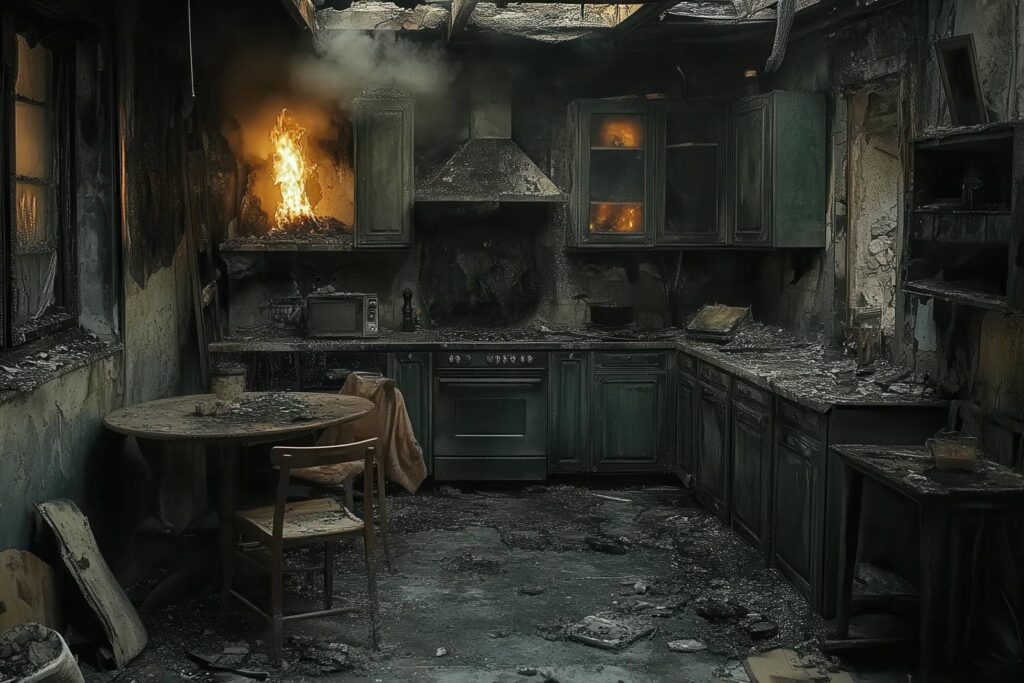
When you face the aftermath of a fire, knowing what comes next can help you feel more in control. The fire damage cleanup process involves a detailed assessment of both visible and hidden damage, ensuring every corner is addressed. Safety is essential, so expect to see protective gear in use. As you move forward, understanding the techniques used for smoke removal and structural repairs will be important in restoring your space. What are the specific steps involved?
Key Takeaways
- Expect a thorough assessment of visible and hidden fire damage, including smoke, soot, and structural integrity checks.
- Safety precautions are crucial; use personal protective equipment (PPE) and maintain proper ventilation during the cleanup process.
- Smoke and soot removal involves specialized techniques, including ventilation, sponging, and using appropriate cleaning solutions.
- Water damage from firefighting efforts needs immediate attention to prevent mold growth and structural weakening.
- Final inspections ensure the property is safe, free of lingering odors, and compliant with building codes.
Assessment of Fire Damage
When evaluating fire damage, it’s vital to approach the situation methodically, as a thorough evaluation can greatly impact the cleanup and restoration process.
Start by documenting all visible damage, noting areas affected by smoke, soot, and heat. This damage assessment is significant for your fire insurance claim; your insurer will require detailed evidence to process your request.
Don’t skip checking hidden spots, like behind walls or under flooring, where damage may linger.
As you navigate this difficult time, remember that you’re not alone; support is available. Be certain to reach out to professionals who can guide you through this process. Their expertise can help guarantee you receive the necessary assistance and restore your space to its former state.
Safety Precautions During Cleanup
When you start the cleanup process after a fire, prioritizing your safety is essential.
Make sure you’re equipped with personal protective equipment like gloves, masks, and goggles to protect yourself from harmful substances.
Additionally, handle any hazardous materials with care to prevent further injury or exposure.
Personal Protective Equipment
Fire damage cleanup can expose you to various hazards, making the use of personal protective equipment (PPE) essential for your safety.
To effectively safeguard yourself, you’ll need to follow PPE standards, which dictate the types of protective gear required. Start with a sturdy pair of gloves to prevent cuts and burns, and wear a mask to shield yourself from harmful particles and fumes.
Consider donning safety goggles to protect your eyes from debris. Sturdy boots with slip-resistant soles can help you navigate unstable surfaces safely.
Hazardous Material Handling
While tackling fire damage cleanup, you’ll likely encounter hazardous materials that require careful handling to guarantee your safety and that of your team.
Properly addressing these dangers is essential for a successful recovery. Here are key safety precautions to take into account:
- Identify hazardous materials: Recognize items like asbestos, lead, or chemicals in fire debris.
- Use proper containment: Utilize sealed containers for transporting hazardous waste to prevent leaks.
- Follow disposal regulations: Make sure you’re familiar with local regulations on hazardous waste disposal to avoid fines.
- Maintain ventilation: Ensure adequate airflow in the cleanup area to minimize exposure to harmful fumes.
Smoke and Soot Removal Techniques
Since smoke and soot can permeate various surfaces and materials, effective removal techniques are essential for restoring your space after a fire.
First, start with smoke removal by ventilating the area; open windows and use fans to circulate fresh air.
Next, tackle soot cleanup using a dry sponge or vacuum with a brush attachment to lift particles without smearing them.
For walls and ceilings, a mixture of water and mild detergent can help, but always test a small area first.
Don’t forget to address upholstery and carpets; specialized cleaning products may be necessary.
Water Damage From Firefighting Efforts
When firefighters combat a blaze, the water used to extinguish the flames can lead to significant water damage in your property.
Understanding this damage is essential for effective cleanup. Here are four key areas to take into account:
- Waterlogged materials: Your carpets, furniture, and drywall may absorb moisture, leading to mold growth.
- Moisture assessment: Professionals will evaluate moisture levels to determine the extent of damage.
- Structural integrity: Water can weaken walls and floors, posing safety risks.
- Air quality: Excess moisture can lead to mold spores and allergens, affecting your health.
Addressing these issues promptly can help restore your space and give you peace of mind.
Don’t hesitate to seek professional help to navigate this challenging situation.
Structural Repairs and Restoration
After a fire, addressing structural repairs and restoration is essential for ensuring your home’s safety and longevity.
You’ll want to start by evaluating the structural integrity of your home. A qualified professional will examine load-bearing walls, beams, and foundations to identify any weaknesses.
Damaged building materials, such as framing, drywall, and roofing, may need replacement to prevent future issues. It’s vital to use high-quality materials that meet current building codes, ensuring your home can withstand any future challenges.
As you navigate this process, remember that restoring your home isn’t just about fixing damage; it’s about reclaiming your space and creating a safe, welcoming environment for you and your loved ones.
Your home deserves to feel whole again.
Odor Removal Strategies
Once structural repairs are underway, tackling lingering odors from smoke and fire damage becomes a priority.
You want your home to feel welcoming again, and effective odor removal is key. Here are some strategies to contemplate:
- Odor Neutralization Methods: Use specialized products designed to chemically neutralize smoke particles.
- Scent Masking Techniques: Employ air fresheners or essential oils to temporarily mask unpleasant odors.
- Thorough Ventilation: Open windows and use fans to promote airflow, helping dissipate smoke odors.
- Professional Cleaning: Contemplate hiring experts who utilize advanced equipment and techniques for deep odor removal.
Contents Cleaning and Restoration
After a fire, evaluating smoke damage to your belongings is essential for effective recovery.
You’ll want to employ specific cleaning techniques tailored to different materials to guarantee thorough restoration.
Assessing Smoke Damage
How can you effectively assess smoke damage in your home? It’s essential to understand the extent of damage to safeguard your air quality and overall health.
Start by examining these key areas:
- Walls and Ceilings: Look for discoloration, soot marks, or lingering odors.
- Furnishings: Check upholstery and carpets for stains and residue.
- HVAC Systems: Inspect ducts and filters, as they can trap smoke particles.
- Smoke Detection Devices: Verify they’re functioning properly; replace any that show damage.
Cleaning Techniques Used
Cleaning smoke-damaged contents requires a meticulous approach to restore your belongings effectively. Various cleaning methods are employed, including dry cleaning, wet cleaning, and foam cleaning, tailored to the specific materials.
For delicate items, ultrasonic cleaning might be the best choice, utilizing sound waves to dislodge soot without damage. Restoration processes often involve deodorization techniques to eliminate persistent odors, ensuring your items smell fresh again.
Experts assess each item individually, addressing the unique challenges posed by smoke damage. Your cherished belongings deserve this careful attention, as they hold both sentimental and practical value.
Restoring Personal Items
When fire damage occurs, restoring your personal items becomes a critical step in the recovery process. Your belongings often hold immense sentimental value, and it’s essential to utilize proper restoration techniques to save them.
Here are four key items you might focus on:
- Photographs – Soak them in cold water to remove soot, then air dry.
- Clothing – Use specialized cleaning agents to tackle smoke odors.
- Furniture – Professional cleaning can restore wood finishes and remove stains.
- Electronics – Consult experts to assess damage and prevent further issues.
Final Inspection and Prevention Measures
Although the fire damage cleanup process may feel overwhelming, conducting a thorough final inspection is vital to assure your property is safe and habitable. During this inspection, check for hidden smoke damage, lingering odors, and structural integrity.
Verify that all electrical systems and appliances are functioning properly to prevent future hazards.
Once you’ve completed the inspection, it’s important to implement effective prevention strategies. This may include installing smoke detectors, maintaining fire extinguishers, and creating an emergency evacuation plan.
Engaging your family in these discussions not only fosters a sense of belonging but also empowers everyone to contribute to safety.
Frequently Asked Questions
How Long Does Fire Damage Cleanup Usually Take?
Fire damage cleanup usually takes days to weeks, depending on the extent of the damage. Understanding the cleanup duration and restoration timeline helps you navigate this challenging process with clarity and reassurance for your recovery journey.
Will My Insurance Cover Fire Damage Cleanup Costs?
Your insurance policies might just surprise you—like a magician’s rabbit. Fire restoration costs could be covered, but it depends on your specific plan. Review your coverage to avoid unexpected tricks when you need help the most.
Can I Clean up Fire Damage Myself?
You can clean up fire damage yourself, but prioritize safety. Smoke damage can be hazardous, so wear protective gear and guarantee proper ventilation. If uncertain, consider hiring professionals for thorough cleanup and peace of mind.
What Items Are Typically Salvageable After a Fire?
Amidst the charred remains, you’ll often find salvageable items like metal appliances, certain textiles, and sturdy furniture. Fire restoration can breathe new life into these treasures, letting you reclaim a piece of your home’s heart.
How Can I Prevent Future Fire Damage?
To prevent future fire damage, prioritize fire safety by installing smoke detectors, creating an emergency plan, and practicing safe cooking habits. Regularly inspect electrical systems and educate yourself on fire prevention measures for peace of mind.
Summary
In the aftermath of fire damage, think of your property as a phoenix, ready to rise anew. By following each step of the cleanup process assessing damage, ensuring safety, and restoring every detail you’ll help your home reclaim its strength. Remember, this journey isn’t just about repair; it’s about healing and renewal. With diligence and care, you can transform the scars of destruction into a symbol of resilience, creating a safe haven once more for you and your loved ones.