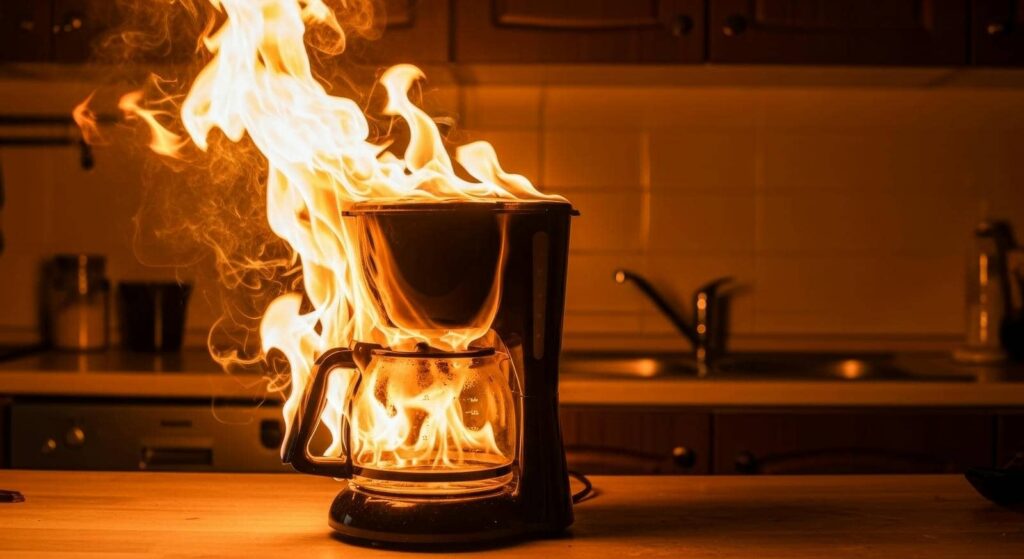
Imagine standing amidst the ashes of a once vibrant home, where every charred remnant tells a story of loss. Fire damage cleanup isn’t just about clearing away debris; it’s a meticulous process that requires careful evaluation and methodical restoration. From evaluating the extent of the damage to implementing effective odor removal strategies, each step is essential. What comes next may surprise you, as the right techniques can transform devastation into resilience.
Key Takeaways
- Conduct a thorough fire damage assessment, checking for structural integrity and documenting findings for insurance purposes.
- Remove burnt debris and soot using protective gear, heavy-duty bags, and specialized cleaning agents for effective disposal and cleaning.
- Address water damage promptly by extracting standing water and utilizing dehumidifiers and high-velocity fans for rapid drying.
- Clean surfaces with appropriate cleaners, ensuring thorough rinsing and drying to prevent mold and mildew growth.
- Implement preventative measures, including regular inspections of electrical systems and practicing fire safety protocols with family members.
Assessing the Extent of Fire Damage
When evaluating the extent of fire damage, you should start by carefully examining both visible and hidden areas of your property.
Conducting a thorough fire assessment is essential to understanding the full scope of the damage. Look for charred materials, discoloration, and lingering smoke odors, as these can indicate deeper issues.
Don’t forget to check behind walls and under floors; structural integrity may be compromised. For a complete damage evaluation, document everything with photos and notes.
This precise information will aid in insurance claims and restoration planning. Remember, your attention to detail helps with the recovery process and ensures the safety and comfort of your space, fostering a sense of belonging as you rebuild.
Ensuring Safety Before Cleanup
Before you start any cleanup, it’s essential to assess the structural integrity of the building to ensure it’s safe to enter.
Make sure to wear protective gear, including gloves and masks, to shield yourself from harmful debris and smoke residue.
Additionally, disconnect utilities like gas and electricity to prevent any further hazards during the cleanup process.
Assess Structural Integrity
Evaluating structural integrity is crucial, as even minor fire damage can compromise a building’s safety. Before you begin any cleanup, conduct thorough structural inspections to identify potential hazards.
Look for signs of sagging beams, cracked walls, or weakened foundations—these issues can indicate serious risks. Integrity assessments should be performed by qualified professionals who understand the nuances of fire damage. They’ll use specialized tools to examine load-bearing elements and assess overall stability.
If structural concerns arise, prioritize repairs and avoid entering the building until it’s deemed safe. Remember, ensuring structural integrity isn’t just about protecting property; it’s about safeguarding lives.
Wear Protective Gear
After ensuring the structural integrity of the building, the next priority is your safety.
Wearing the right protective gear is essential for effective fire safety during cleanup. Proper equipment minimizes risks and helps you navigate hazardous conditions confidently.
Here’s what you should wear:
- Fire-resistant gloves to protect your hands from sharp debris.
- Safety goggles to shield your eyes from soot and ash.
- Respirators or masks to filter out harmful smoke particles.
- Sturdy boots to safeguard your feet from falling objects.
- Long-sleeved clothing to prevent skin exposure to irritants.
Taking these precautions keeps you safe and fosters a sense of community responsibility.
You’re part of an important recovery process, and your safety comes first.
Disconnect Utilities First
Once you’ve assessed the situation, disconnecting utilities is essential for ensuring safety before any cleanup begins.
Understanding the utility disconnection can’t be overstated. Gas lines, electricity, and water can become dangerous after a fire, posing risks like explosions or electrocution. Following proper utility safety protocols is vital.
Start by turning off the main power supply and gas valve, ensuring you’re at a safe distance. If you’re unsure, contact professionals to handle this.
Remember, safety is your first priority. By taking these steps, you’re protecting yourself and creating a safer environment for any cleanup team that may assist you later.
This collective effort can foster a sense of community as you work together to restore your space.
Removing Burnt Debris and Materials
Begin by evaluating the area for any burnt debris and materials that may pose safety hazards.
You’ll want to approach the cleanup methodically, ensuring you prioritize safety while also considering debris disposal and materials recycling.
- Wear protective gear, including gloves and masks.
- Separate burnt materials from salvageable items.
- Use heavy-duty bags for safe debris disposal.
- Identify recyclable materials, like metal and wood.
- Dispose of hazardous materials according to local regulations.
Soot and Smoke Removal Techniques
When it comes to soot and smoke removal, understanding effective cleanup methods is essential.
You’ll need to utilize specific techniques for eliminating stubborn soot deposits and the lingering odors that accompany smoke damage.
If the task feels overwhelming, consider enlisting professional restoration services that specialize in this type of cleanup.
Effective Soot Cleanup Methods
Although soot and smoke damage can seem overwhelming, employing effective cleanup methods can restore your space to its original condition.
To tackle soot removal, consider these techniques:
Vacuuming: Use a vacuum with a HEPA filter to gently remove loose soot particles.
Dry Cleaning Sponges: These sponges lift soot without spreading it, making them ideal for walls and ceilings.
Cleaning Agents: Opt for specialized soot cleaning agents that break down residue effectively.
Water and Detergent: For non-porous surfaces, a mixture of water and mild detergent can help eliminate soot stains.
Professional Assistance: When in doubt, don’t hesitate to call professionals who specialize in fire damage restoration.
Smoke Odor Elimination Techniques
Even after you’ve tackled soot removal, lingering smoke odors can persist, affecting the air quality and comfort of your space.
To combat this, consider using effective odor neutralization methods like baking soda and activated charcoal, which absorb unpleasant smells naturally.
Additionally, you might want to invest in smoke filtration systems that capture and eliminate airborne particles and odors. These systems work by drawing in contaminated air, filtering it, and releasing fresh air back into your environment.
Regularly replacing filters will enhance their effectiveness.
Don’t forget to ventilate your space thoroughly, opening windows to allow fresh air to circulate.
Professional Restoration Services
While tackling soot and smoke damage on your own can be challenging, professional restoration services offer specialized techniques to effectively restore your space.
Their expertise makes the process smoother and ensures comprehensive fire restoration.
Here’s how they handle soot and smoke removal:
Assessment: They evaluate the extent of damage to tailor their approach.
Advanced Equipment: Using specialized tools, they ensure thorough cleaning.
Chemical Treatments: They employ safe, effective cleaning agents to lift stains.
Deodorization: They eliminate persistent odors through advanced methods.
Insurance Claims Assistance: They help you navigate the complexities of filing insurance claims.
Water Damage Mitigation
Water damage mitigation is essential in the aftermath of a fire, as it can greatly impact the restoration process.
To begin, you’ll want to conduct a thorough moisture assessment to identify areas affected by water. This step helps you understand the extent of the damage and prioritize your efforts effectively.
Next, focus on water extraction; using pumps and vacuums, remove standing water quickly to prevent further damage.
Don’t forget to address hidden moisture, as this can lead to mold growth and additional complications.
By taking these systematic steps, you protect your property and foster a sense of security and belonging for you and your loved ones.
Cleaning and Restoring Surfaces
Cleaning and restoring surfaces after fire damage is crucial for returning your home to its pre-loss condition.
Effective surface cleaning improves appearance and prevents long-term damage. Here are some essential restoration techniques you should consider:
Assess the Damage: Identify affected areas and materials.
Use Appropriate Cleaners: Choose cleaning solutions tailored for specific surfaces.
Scrub Gently: Employ soft brushes or cloths to avoid further damage.
Rinse Thoroughly: Verify all cleaning agents are removed to prevent residue buildup.
Dry Completely: Proper drying helps prevent mold and mildew.
Odor Removal Strategies
After a fire, eliminating lingering odors is just as important as cleaning and restoring surfaces.
To effectively tackle stubborn smells, you can use odor absorption methods like activated charcoal or baking soda, which draw out unwanted scents from the air and surfaces. Place these substances in strategic locations around your home for maximum effect.
Additionally, consider scent masking techniques, such as utilizing essential oil diffusers or air fresheners that can provide an immediate sense of freshness while you work on deeper removal.
Remember, thorough ventilation is key; open windows and use fans to circulate air.
Combining these strategies will help create a welcoming environment again, allowing you to reclaim your space and feel at home once more.
Drying and Dehumidification Processes
After a fire, rapid drying is essential to prevent further damage and mold growth.
You’ll need to evaluate various dehumidification equipment options to effectively remove moisture from the affected areas.
Understanding these processes can greatly enhance your cleanup efforts and protect your property.
Importance of Rapid Drying
When a fire incident occurs, the urgency of rapid drying becomes critical to mitigate further damage. You need to act swiftly to implement effective moisture management strategies.
By utilizing accelerated drying techniques, you can prevent mold growth and structural degradation. Here are key aspects to contemplate:
- Assess the water damage immediately.
- Remove wet materials like carpets and drywall.
- Use high-velocity fans to circulate air.
- Employ dehumidifiers to extract moisture.
- Monitor humidity levels to ensure effectiveness.
Understanding the importance of rapid drying protects your property and fosters a sense of belonging within your community, as you take proactive steps to restore your space.
Don’t underestimate the power of swift action in these situations.
Dehumidification Equipment Options
While you’re evaluating the damage after a fire, selecting the right dehumidification equipment can greatly enhance your drying efforts.
Understanding the various dehumidifier types is essential for effective moisture control. For instance, refrigerant dehumidifiers are ideal for warmer environments, as they condense moisture from the air, while desiccant dehumidifiers excel in cooler conditions by utilizing moisture-absorbing materials.
Additionally, considering the size of your space will help you choose the appropriate capacity. Portable units are excellent for targeted drying, while larger, industrial models cover expansive areas.
Always monitor humidity levels during the process, ensuring that your chosen equipment operates efficiently.
Repairing and Reconstructing Damaged Areas
As you assess the aftermath of a fire, it’s crucial to prioritize repairing and reconstructing the damaged areas to restore safety and functionality.
You’ll want to reflect on effective reconstruction methods that can incorporate fireproof materials, ensuring resilience against future incidents.
Here are some key steps to follow:
Evaluate structural integrity: Check for any compromised beams or walls.
Remove charred materials: Eliminate damaged wood, drywall, or insulation.
Use fireproof materials: Opt for non-combustible options for new installations.
Repair electrical systems: Inspect wiring and replace any damaged components.
Repaint and refurbish: Utilize heat-resistant paints to finish the job.
Preventative Measures for Future Incidents
Reconstructing damaged areas after a fire sets the stage for implementing robust preventative measures that can markedly reduce the risk of future incidents.
Start by reviewing your fire safety protocols—ensure smoke detectors are installed and regularly tested. Create an escape plan with your family and practice it, fostering a sense of teamwork and preparedness.
Regularly inspect electrical systems and appliances for wear and tear, as they can pose significant fire hazards. Additionally, maintain clear access to fire extinguishers and educate everyone on their proper use.
Landscaping can also play a role; keep flammable materials away from your home.
Frequently Asked Questions
How Long Does the Fire Damage Cleanup Process Typically Take?
The cleanup timeline varies, typically ranging from days to weeks. Factors influencing this include the fire’s severity, affected areas, and the resources available. Understanding these elements helps you navigate the process effectively and efficiently.
Can I Handle Fire Damage Cleanup Myself?
You can handle fire damage cleanup yourself, but prioritize personal safety. Use proper cleanup techniques, wear protective gear, and ensure adequate ventilation. If the damage is extensive, consider consulting professionals for thorough restoration.
What Are the Costs Associated With Fire Damage Cleanup?
Fire restoration costs vary considerably based on the extent of damage and location. Typically, cleanup service pricing ranges from hundreds to thousands of dollars. You’ll want to get multiple estimates for an accurate understanding of potential expenses.
Will My Insurance Cover Fire Damage Cleanup Expenses?
Your insurance policy might cover fire damage cleanup expenses, but it depends on your coverage limits. Review your policy details, and consult your agent to understand what’s included, ensuring you’re not left in the ashes.
How Can I Prevent Mold After Fire Damage Cleanup?
To prevent mold after fire damage cleanup, implement mold prevention strategies like ensuring proper ventilation, promptly drying materials, and conducting thorough post-fire inspections. These steps help maintain a healthy environment and protect your home from further damage.
Final Thoughts
Effectively tackling fire damage requires a meticulous approach to ensure safety and restoration. Did you know that many house fires result from cooking accidents? This statistic underscores the importance of fire prevention measures. By implementing thorough cleanup techniques, from debris removal to odor elimination, you can protect your home and loved ones. Regular safety checks can greatly reduce the risk of future incidents, making your living space safer and more resilient.