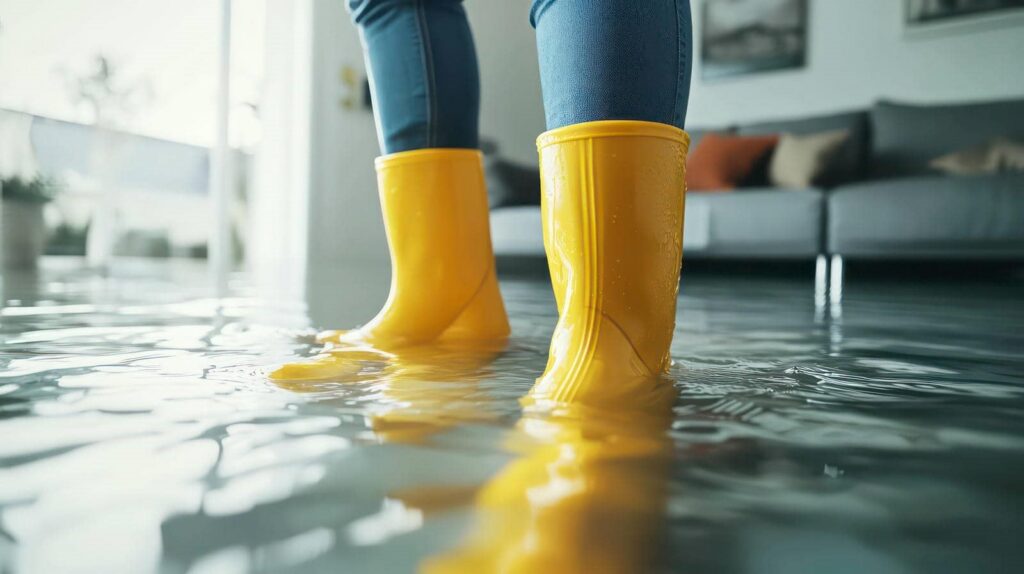
When faced with water damage, you must act quickly and methodically to minimize further issues. Start by evaluating the severity of the damage and pinpointing the water source. Turning off utilities is critical to prevent hazards. Efficient removal of standing water follows, utilizing appropriate tools. The next emergency water cleanup steps involve thorough drying and sanitizing to halt mold growth. Understanding these techniques can greatly impact the restoration process and the outcome of your recovery efforts.
Key Takeaways
- Identify the water source and assess damage severity to determine appropriate cleanup methods.
- Turn off utilities like water, electricity, and gas to prevent further hazards.
- Remove standing water using submersible pumps or wet/dry vacuums for efficient extraction.
- Dry affected areas with fans, dehumidifiers, and moisture detection tools to prevent mold growth.
- Clean and sanitize surfaces with disinfectants to eliminate contaminants and ensure safety.
Assessing the Water Damage Severity
When you face water damage, it’s essential to assess the severity promptly to mitigate further issues.
Begin your damage assessment by identifying the water source—whether it’s a burst pipe, flooding, or a leaking appliance. This determination helps you understand the potential impact on your property.
Next, inspect affected areas for signs of moisture, discoloration, or structural weakness. Use moisture meters to gauge the extent of saturation in walls and floors.
Don’t overlook hidden spaces like basements or attics, as these can harbor significant damage.
Document your findings with photographs and notes, as this record will assist in insurance claims.
Turning Off Utilities and Preventing Further Damage
After evaluating the water damage severity, your next step involves turning off utilities to prevent further issues.
Begin by locating the main water shut-off valve, usually found near the water meter or where the main line enters your home. Turn this valve clockwise until it’s fully closed.
Next, disconnect electricity and gas supplies; locate the circuit breaker panel and the gas shut-off valve, ensuring safety is your priority.
Utility disconnection is essential for damage prevention, as it reduces the risk of electrocution or fire hazards during cleanup.
If you’re unsure about any steps, don’t hesitate to contact a professional. Acting swiftly will help minimize further damage and protect your home from potential hazards.
Removing Standing Water Efficiently
To effectively remove standing water, you should begin by evaluating the area and gathering the necessary tools, such as a submersible pump, wet/dry vacuum, and buckets.
Start pumping water from the most affected areas, ensuring a steady flow to prevent further accumulation. Position the pump strategically to optimize water removal.
Once the majority of the water is gone, switch to vacuuming water using your wet/dry vacuum. Make several passes to ensure you capture as much moisture as possible, especially in corners or crevices.
Keep an eye on the vacuum’s tank to avoid overflow. By following these steps methodically, you’ll efficiently eliminate standing water, setting the stage for further cleanup and restoration.
Drying Out Affected Areas
After removing standing water, your next step is to focus on drying out affected areas effectively.
You’ll need to utilize air circulation methods, such as fans and dehumidifiers, to promote evaporation and reduce humidity levels.
Additionally, employing moisture detection tools will help you identify hidden damp spots that require further attention to prevent mold growth.
Air Circulation Methods
While you may be enthusiastic to restore your space after water damage, proper air circulation is essential for effectively drying out affected areas.
Implementing effective airflow management will help prevent mold growth and further damage. Here are three key methods to enhance air circulation:
- Fans Usage: Strategically place high-velocity fans to create a crosswind effect. This promotes rapid evaporation.
- Open Windows and Doors: Allow fresh air to circulate. This can greatly boost drying speed, especially in mild weather.
- Dehumidifiers: Use these alongside fans to extract moisture from the air. This combination helps maintain ideal humidity levels.
Moisture Detection Tools
Accurate moisture detection is essential for effectively drying out areas affected by water damage. You’ll want to utilize moisture meters and infrared cameras for precise assessments.
Moisture meters measure the moisture content in various materials, helping you identify wet spots hidden beneath surfaces. This tool is vital for determining when a material is dry enough to prevent mold growth.
On the other hand, infrared cameras allow you to visualize moisture patterns without invasive methods. They detect temperature differences, revealing areas that retain moisture.
Combining these tools enhances your ability to pinpoint problem areas, ensuring a thorough drying process. By employing these moisture-detection techniques, you’ll restore affected spaces and foster a sense of safety and belonging in your environment.
Cleaning and Sanitizing Surfaces
As you tackle the aftermath of a water emergency, cleaning and sanitizing surfaces is essential to prevent mold growth and eliminate pathogens.
Start by gathering your cleaning equipment and necessary surface disinfectants. Here’s a methodical approach:
- Remove Debris: Clear away any debris and excess water to ensure surfaces are accessible for cleaning.
- Apply Disinfectant: Use appropriate surface disinfectants according to the manufacturer’s instructions. Make sure that all high-touch areas are adequately treated.
- Rinse and Dry: After disinfection, rinse surfaces with clean water, then dry thoroughly to prevent moisture accumulation.
Restoring and Repairing Damaged Materials
Restoring and repairing damaged materials after a water emergency is essential to maintaining the integrity of your home or business.
First, assess the extent of the damage; this helps you decide whether you need material replacement or if restoration techniques can salvage the existing materials.
For wood, drying and treating with anti-fungal solutions can prevent further deterioration.
In cases of drywall, cutting out affected sections and replacing them is often necessary.
Use dehumidifiers to reduce moisture levels and prevent mold growth.
Always verify that structural elements, like beams and flooring, are thoroughly dried and inspected.
Frequently Asked Questions
What Should I Do if I Can’t Access My Insurance Policy?
If you can’t access your insurance policy, explore insurance alternatives like government aid programs or community resources. Seek financial assistance from local nonprofits that specialize in disaster relief to help cover immediate needs.
How Can I Identify Hidden Moisture in My Home?
To identify hidden moisture in your home, use a moisture detection meter for precise readings and conduct a dampness assessment in areas like basements, walls, and ceilings. Regular checks will help you maintain a healthy environment.
Is It Safe to Use Electrical Appliances After Water Damage?
No, it’s not safe to use electrical appliances after water damage. First, conduct a thorough appliance inspection. Verify electrical safety by checking for moisture and damage before plugging anything back in. Prioritize your well-being.
How Long Does It Typically Take to Dry Out Water-Damaged Areas?
Typically, drying time for water-damaged areas ranges from 24 to 72 hours. Effective moisture removal accelerates this process, ensuring that you minimize damage and prevent mold growth. Patience and thoroughness are key to successful drying.
What Are the Health Risks Associated With Mold After Water Damage?
Mold’s like a hidden thief, stealing your health. You might experience mold symptoms such as respiratory issues and allergies. Implementing prevention strategies, like controlling moisture and regular cleaning, keeps your space safe and welcoming.
Summary
Mastering emergency water cleanup techniques is vital to effectively managing water damage. By promptly evaluating severity, turning off utilities, and removing standing water, you can minimize further risks. Drying and sanitizing are critical steps to thwart mold growth, akin to a knight preparing for battle against an unseen enemy. Finally, restoring damaged materials ensures your space returns to its former condition. Stay methodical, and you’ll navigate water emergencies with confidence and precision.