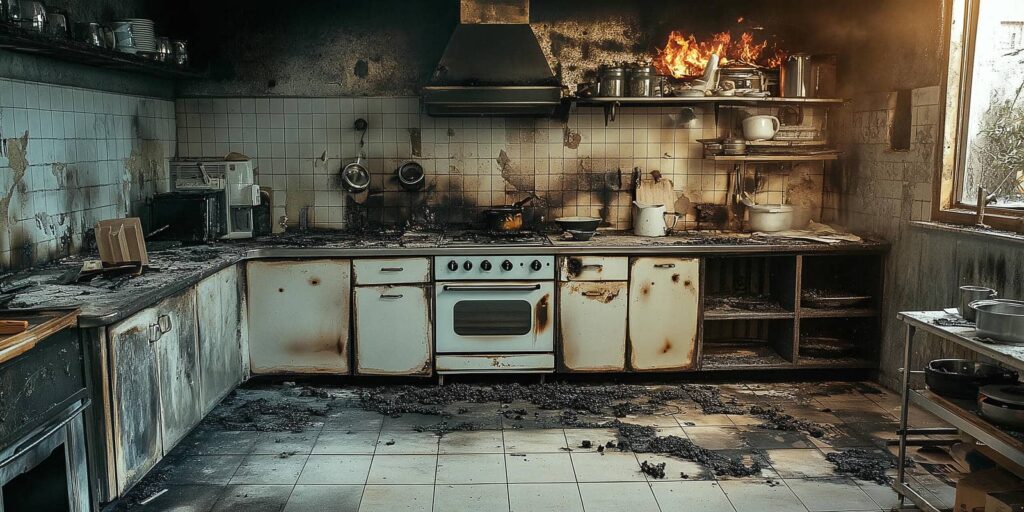
Imagine the lingering smell of smoke and the dark stains of soot clinging to your walls and furniture. Removing this damage requires a systematic approach, starting with a thorough assessment of the affected areas. With the right supplies and soot removal techniques, you can restore your space effectively. However, knowing how to navigate this process can make all the difference in preserving your property and health. What steps should you take next?
Key Takeaways
- Conduct a thorough damage assessment to identify areas needing attention and prioritize cleaning tasks effectively.
- Use specialized cleaning supplies, including soot sponges and HEPA vacuums, to remove smoke residues safely.
- Ventilate the area by opening windows and using fans to promote airflow and reduce odors.
- Consider professional services for a quicker, more effective solution, especially for extensive damage or health risks.
- Follow local disposal guidelines for contaminated materials to ensure safe and environmentally responsible disposal.
Assessing the Damage
Before you begin the cleanup process, it’s essential to assess the damage caused by smoke and soot.
Start with a thorough damage assessment, focusing on surfaces, walls, and ceilings affected by smoke. Note areas with discoloration, lingering odors, or visible soot.
During your smoke evaluation, consider the type of materials involved; different substances may require specific cleaning techniques.
Check for structural integrity, as smoke can indicate deeper issues. Document your findings meticulously, as this information can guide your cleaning strategy and help you prioritize tasks.
Engaging in this methodical approach not only guarantees effective removal but also fosters a sense of belonging within your community, as you take proactive steps toward restoring your space.
Gathering the Right Supplies
As you prepare to tackle smoke and soot removal, gathering the right supplies is vital for an efficient and effective cleanup.
Start with high-quality cleaning supplies, including specialized soot sponges, microfiber cloths, and a vacuum equipped with a HEPA filter. These tools help lift and trap soot particles without spreading them further.
Don’t forget to include all-purpose cleaners and degreasers designed for heavy residues. Safety gear is just as important; wear rubber gloves, a mask, and goggles to protect yourself from harmful particles and chemicals.
Make certain you have sturdy trash bags for disposal and a bucket for mixing cleaning solutions.
With the right supplies, you’ll create a safer and more effective environment for your cleaning process.
Ventilating the Area
Proper ventilation is essential when dealing with smoke and soot removal. Start by opening windows and doors to promote air circulation, allowing fresh air to flow in and help push out the contaminated air.
If weather permits, use fans to enhance this process, positioning them to direct airflow toward the open windows. This method not only aids in reducing lingering odors but also prevents the accumulation of harmful particles in the air.
Consider using exhaust fans in kitchens and bathrooms to further expedite odor removal. Be mindful of the direction of the wind, as it can influence air circulation.
Using Appropriate Cleaning Techniques
When tackling smoke and soot removal, it’s crucial to utilize the right cleaning techniques to guarantee effective results.
Start by selecting appropriate cleaning solutions designed for smoke and soot. These solutions typically break down residues, making them easier to remove.
Once you’ve applied the cleaning solution, use effective scrubbing techniques. For non-porous surfaces, a soft-bristle brush or sponge works best, allowing you to lift away debris without causing damage.
For porous materials, gently dab the area instead of scrubbing, which can push soot deeper. Always test your cleaning method on a small area first to verify compatibility.
Disposing of Contaminated Materials
When you identify contaminated items, guarantee you categorize them correctly based on their material and level of contamination.
Follow your local disposal guidelines meticulously to prevent environmental hazards or health risks.
Proper disposal not only protects your space but also safeguards the community from potential pollutants.
Identify Contaminated Items
Identifying contaminated items after a fire is essential to guarantee safety and health.
Begin your item evaluation by evaluating all belongings for visible smoke damage or soot. Pay attention to contamination sources such as textiles, upholstered furniture, and porous materials, as they can absorb toxins. Look for discoloration, lingering odors, or residue that indicates contamination.
Non-porous items like metal or glass may be salvageable with proper cleaning, while porous materials often require disposal. Create a checklist to document each item’s condition, making it easier to decide what can be cleaned and what must be discarded.
This methodical approach guarantees you’re protecting yourself and your loved ones from potential health hazards associated with fire-related contaminants.
Follow Disposal Guidelines
To guarantee safety and compliance, it’s essential to follow local disposal guidelines for contaminated materials after a fire.
Disposing of these items properly not only protects you but also your community.
Here are three key steps to evaluate:
- Identify hazardous waste****: Check for any items that may contain hazardous materials, like batteries or certain appliances.
- Explore recycling options****: Many local services offer recycling for materials like electronics and metals. Utilizing these can reduce landfill waste.
- Consult local regulations****: Each area has specific rules about disposing of contaminated items; make sure you’re informed to avoid penalties.
Preventing Future Smoke Damage
Although smoke damage can be devastating, you can take proactive steps to minimize future risks. Start by installing smoke detectors throughout your home, ensuring they’re placed near sleeping areas and on every level.
Regularly check their functionality; replace batteries at least twice a year. Establish maintenance schedules for your heating and cooking appliances, as these are common sources of smoke.
Keep flammable materials away from heat sources and maintain clear exits for emergencies. Educate your household on fire safety practices, including safe cooking habits and the proper use of candles.
Seeking Professional Help
When dealing with smoke and soot damage, seeking professional help can greatly enhance the restoration process.
Experts possess specialized equipment and techniques that guarantee thorough cleaning and prevent further damage.
While the cost may seem higher than DIY methods, the long-term benefits often outweigh the initial investment.
Importance of Expertise
While it might be tempting to tackle smoke and soot removal on your own, seeking professional help often proves vital for effective restoration.
Professionals bring valuable expertise, ensuring thorough and safe removal. Here’s why their involvement is significant:
- Expert Qualifications: Trained specialists understand the complexities of smoke damage and its effects on various materials, ensuring nothing is overlooked.
- Restoration Experience: Professionals have dealt with numerous cases, allowing them to identify and implement the most effective restoration strategies tailored to your situation.
- Safety Measures: They’re equipped to handle hazardous materials safely, minimizing risks to you and your property.
Equipment and Techniques
Professional smoke and soot removal requires specialized equipment and techniques to guarantee a thorough and effective restoration process.
You’ll need industrial-grade cleaning equipment, such as HEPA vacuums and air scrubbers, to eliminate particulate matter safely. Utilizing advanced restoration techniques, including thermal fogging and ozone treatment, assures that embedded odors are neutralized.
Trained professionals will assess affected areas, developing a tailored plan that addresses the specific type of soot present. They’ll also follow safety protocols to protect you and your property during the cleanup.
Cost vs. DIY
Choosing to tackle smoke and soot removal yourself may seem like a cost-effective option, but it’s important to weigh the potential risks and limitations against hiring professionals.
A thorough cost analysis can reveal hidden expenses and complications in DIY methods that you mightn’t anticipate. Here are three considerations to keep in mind:
- Effectiveness: Professionals use advanced techniques and equipment that may yield better results than DIY efforts.
- Time Investment: Consider the time it takes to learn and execute effective methods versus the speed of professional services.
- Health Risks: Improper handling of soot and smoke can pose serious health hazards, making expert assistance invaluable.
Ultimately, investing in professionals may save you time, energy, and potential long-term costs.
Frequently Asked Questions
Can I Use Regular Cleaners for Smoke and Soot Removal?
No, you shouldn’t use regular cleaners for smoke and soot removal. They often lack the effectiveness needed to break down soot residues. Instead, opt for specialized cleaning products designed to tackle these tough deposits efficiently.
How Do I Remove Smoke Odors From Fabrics?
To tackle terrible smoke smells, use specialized fabric treatments and smoke neutralizers. Start by washing fabrics thoroughly, then apply fabric sprays designed to eliminate odors, ensuring your space feels fresh and inviting for everyone.
Is It Safe to Use Candles After Smoke Damage?
It’s not safe to use candles after smoke damage due to residual soot. Consider smoke alternatives like LED candles or essential oil diffusers for ambiance without the hazards, ensuring your space remains welcoming and odor-free.
What Should I Do if I Experience Health Issues After Smoke Exposure?
If you experience health symptoms after smoke exposure, seek medical attention immediately. Document your symptoms and any related events for your healthcare provider. Follow your local emergency response guidelines to guarantee your safety and well-being.
How Long Does Smoke Damage Restoration Typically Take?
Smoke damage restoration typically takes one to two weeks, depending on the extent of the damage. The restoration timeline includes a detailed cleaning process that addresses all affected areas, ensuring thorough remediation and prevention of future issues.
Summary
Tackling smoke and soot removal isn’t just about cleaning; it’s about restoring your space to its former glory. By following these steps, you can effectively mitigate damage and preserve your property. Remember, every minute you delay could mean more damage, so act swiftly. Whether you choose to DIY or enlist professionals, taking action now guarantees a healthier environment for you and your loved ones. After all, a clean space is a happy space.