You might think that cleaning up soot after a fire is straightforward, but the reality is more complex. Effective soot cleanup requires a methodical approach that prioritizes safety and thoroughness. By understanding the essential steps involved, you can guarantee that you address both visible and hidden contamination. What are the best practices to follow during this critical process? Let’s explore the key strategies that can make a significant difference in your cleanup efforts.
Key Takeaways
- Conduct a thorough safety assessment before starting the cleanup to identify hazards and damage.
- Gather necessary cleaning supplies, including safety gear and specialized cleaning agents for soot removal.
- Use a HEPA vacuum to capture loose soot, then apply cleaning solutions and work from top to bottom.
- Properly dispose of contaminated materials by following local regulations and using designated hazardous waste containers.
- Consider hiring professional restoration services for extensive soot damage to ensure safe and effective cleanup.
Assess the Damage and Safety Hazards
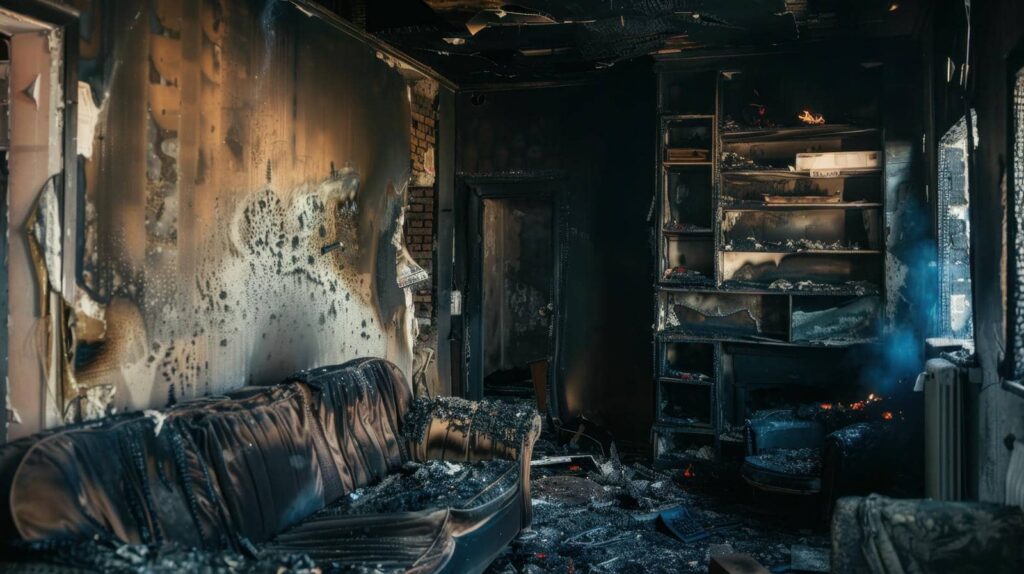
Before you begin the cleanup process, it’s essential to assess the damage and identify any safety hazards. Start with a thorough safety assessment of the area.
Look for unstable structures, exposed wiring, or hazardous materials that could pose risks during cleanup. Next, conduct a damage evaluation to determine the extent of soot and fire impact.
Check walls, ceilings, and floors for charring or staining, as well as any personal belongings that may need special attention. Document your findings to prioritize your cleanup efforts effectively.
This systematic approach not only guarantees your safety but also facilitates a more organized cleanup. By addressing these critical factors first, you’re setting a solid foundation for a successful recovery process.
Gather Necessary Cleaning Supplies
As you prepare to tackle soot cleanup, gathering the right cleaning supplies is crucial for an effective process.
Start with safety gear, including gloves, masks, and goggles to protect yourself from harmful particles.
Next, select appropriate cleaning agents tailored for soot removal, such as degreasers, enzyme cleaners, and specialized soot removers.
A vacuum with a HEPA filter will help eliminate soot particles from surfaces.
Don’t forget absorbent materials, like sponges and cloths, to wipe down affected areas.
You may also need buckets, brushes, and scrapers for stubborn soot.
Having these supplies on hand guarantees you can work efficiently and safely, creating a sense of belonging in a community that values restoration and resilience.
Use Proper Cleaning Techniques
With your cleaning supplies gathered, it’s time to focus on the proper techniques for effective soot removal.
Start by using a HEPA vacuum to capture loose soot particles without spreading them further. Next, apply specialized cleaning solutions designed for soot removal to affected surfaces.
Work from top to bottom, making certain you don’t overlook corners and crevices where soot may settle. Use a microfiber cloth to gently wipe away residue, avoiding abrasive materials that could damage surfaces.
For stubborn stains, allow the cleaning solution to sit for a few minutes before scrubbing lightly. Rinse surfaces with clean water and dry thoroughly to prevent moisture buildup.
Following these techniques will help restore your space and guarantee a thorough cleanup.
Dispose of Contaminated Materials Appropriately
After you’ve completed the initial cleanup, it’s crucial to dispose of contaminated materials properly to prevent further contamination or health risks.
Improper disposal can lead to hazardous waste issues and violate disposal regulations. Follow these guidelines for effective disposal:
- Identify and separate hazardous waste from regular debris.
- Research local disposal regulations to guarantee compliance.
- Use appropriate containers for transporting contaminated materials.
- Schedule pick-up or drop-off at designated hazardous waste facilities.
- Document disposal methods for your records.
Consider Professional Assistance for Extensive Cleanup
If you’re facing extensive soot damage after a fire, considering professional assistance can be essential for guaranteeing a thorough cleanup.
Engaging a professional restoration service means you’ll benefit from expert advice tailored to your specific situation. These specialists possess advanced tools and techniques designed to effectively remove soot and prevent long-term damage.
They’ll assess the extent of the contamination, addressing hidden areas that might be overlooked. Additionally, their experience allows for safe handling of hazardous materials, reducing health risks associated with soot exposure.
By relying on their expertise, you’re not just restoring your property; you’re also reclaiming peace of mind.
Don’t hesitate to reach out for professional help to guarantee a detailed and efficient cleanup process.
Frequently Asked Questions
How Can I Prevent Soot From Spreading During Cleanup?
To prevent soot from spreading during cleanup, use preventative measures like sealing off affected areas, employing proper cleanup techniques such as damp wiping, and using HEPA filters to capture particles. Stay methodical for best results.
Is It Safe to Clean Soot Without a Mask?
It’s not safe to clean soot without a mask. For effective soot removal, use N95 or P100 masks, which filter harmful particles. Protecting yourself guarantees a safer cleanup experience and fosters a sense of community responsibility.
Can Vinegar Effectively Remove Soot Stains?
Yes, vinegar can effectively remove soot stains due to its acidic properties. When applied methodically, it breaks down soot residues, enhancing soot removal. Always test on a small area first to guarantee compatibility with surfaces.
What Are the Health Risks of Soot Exposure?
You’re facing serious health risks from soot exposure, like respiratory issues. Soot toxicity can lead to chronic conditions. Always prioritize ventilation and protective gear to minimize these dangers and keep your environment safe for everyone.
How Long Does It Take for Soot Odors to Dissipate?
Soot odors can take days to weeks for complete dissipation, depending on the extent of soot removal and odor neutralization methods used. Regular ventilation and professional treatments expedite this process, enhancing your environment’s comfort and safety.
Wrap-Up
Following these best practices for soot cleanup is crucial to guarantee a safe and thorough restoration process. Remember, the Institute of Inspection, Cleaning and Restoration Certification (IICRC) states that improper cleanup can leave up to 80% of soot residue behind, leading to lingering health risks. By carefully evaluating damage, using the right supplies, and employing effective techniques, you can greatly reduce these risks. Don’t hesitate to seek professional assistance for extensive damage to assure a complete recovery.